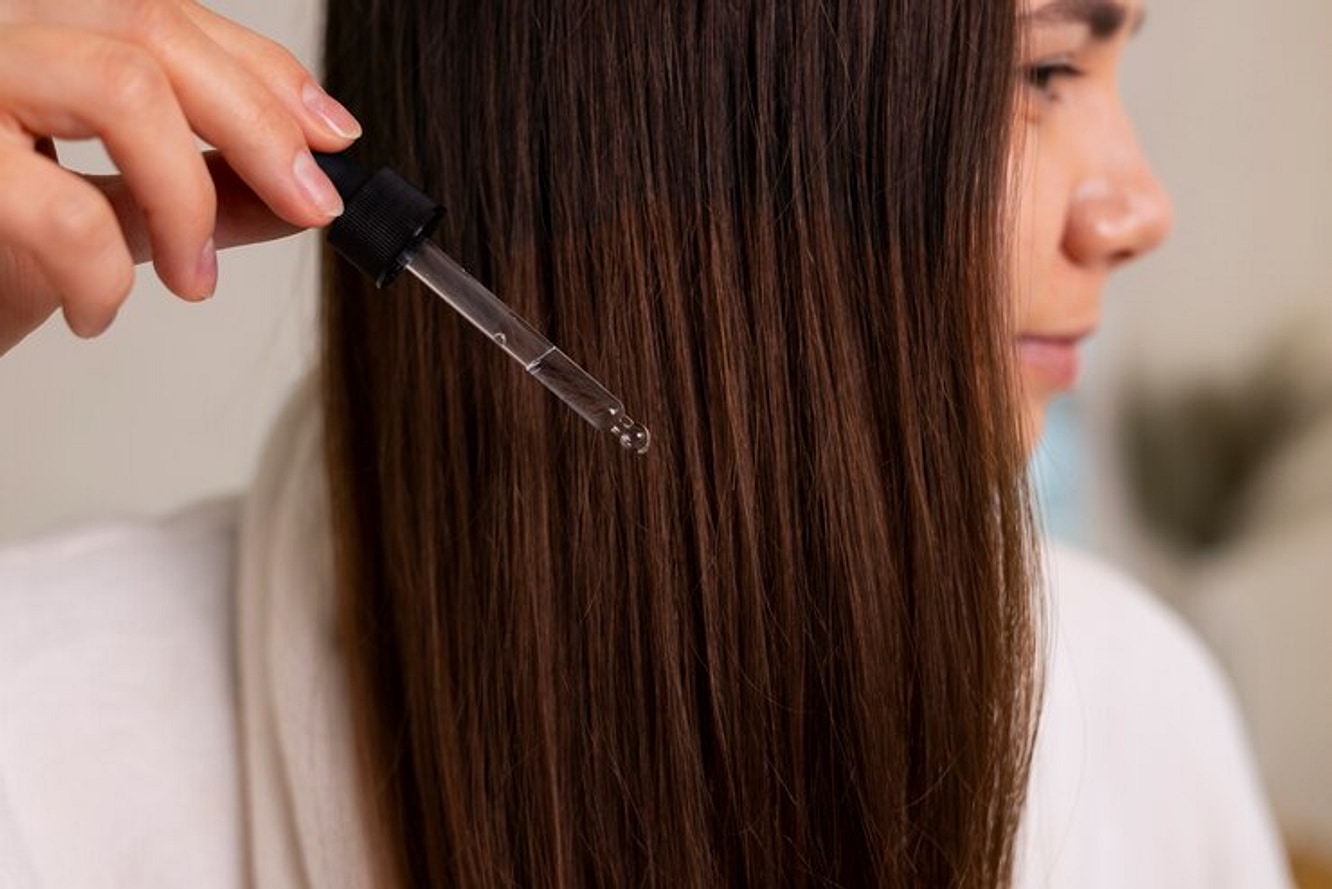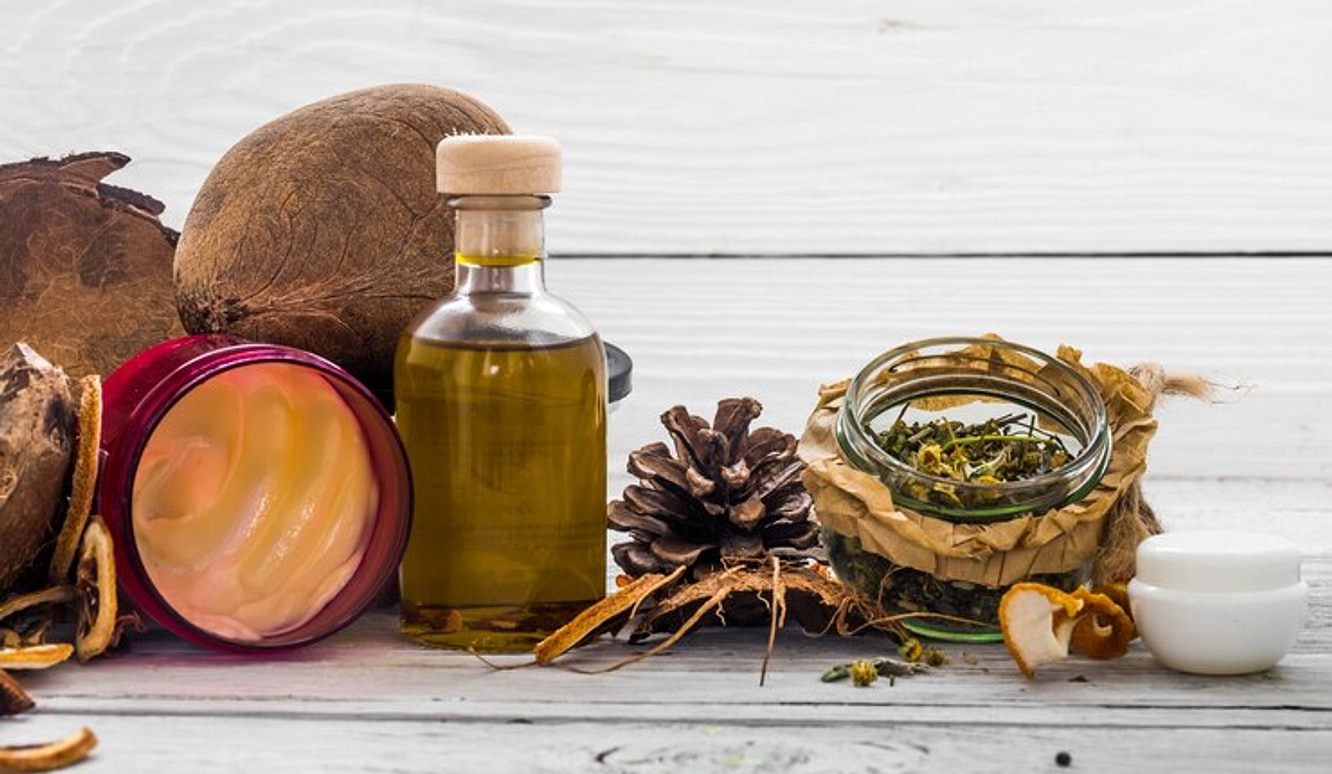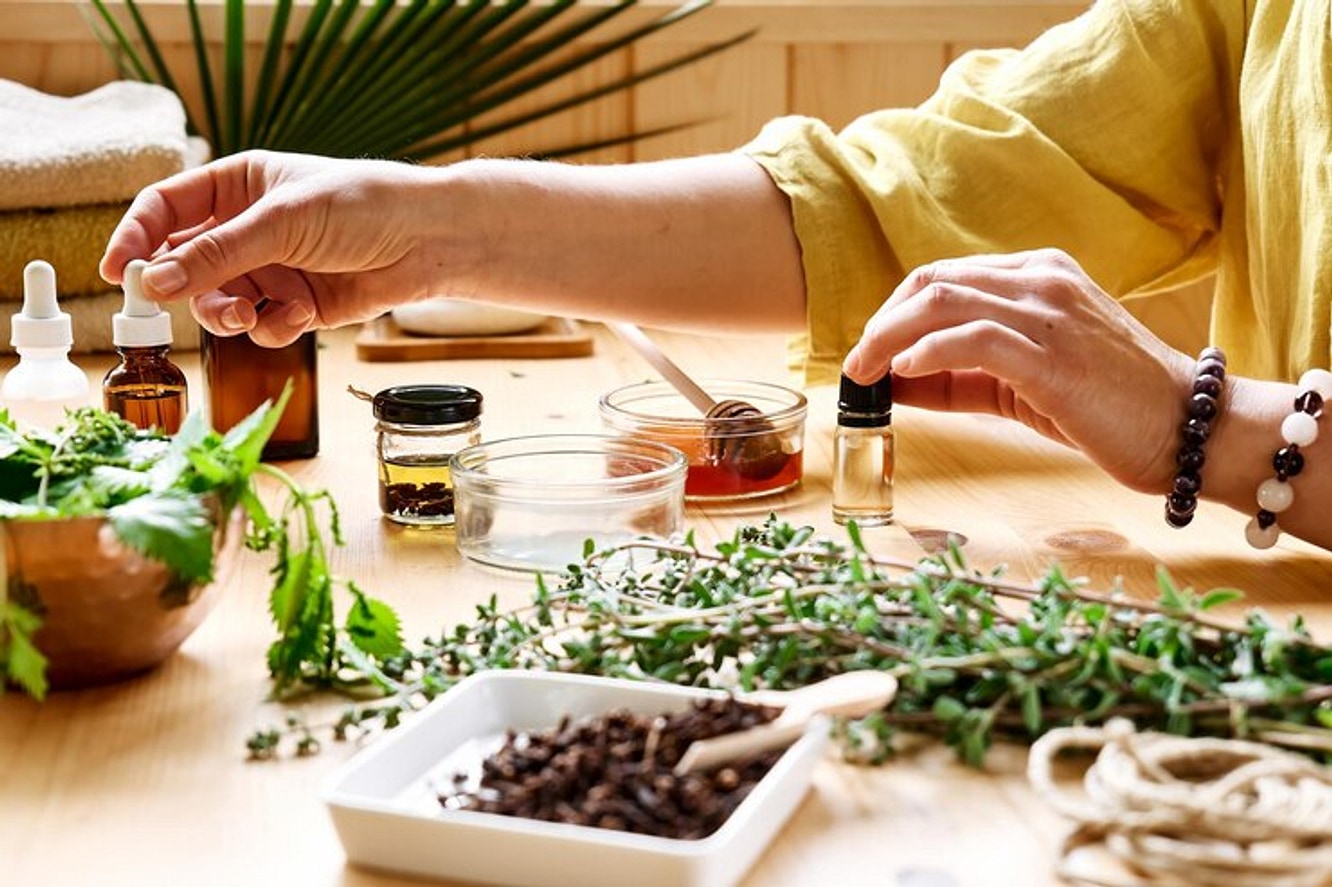
People have used natural hair care products for a very long time. But now scientists are looking into what those benefits are. This blog will talk about old herbal remedies again. Share research findings give do it yourself recipe ideas. And talk about safety tips and how they compare to store bought products.
The Historical Use of Herbal Remedies for Hair Care
Herbs have been used to treat hair for hundreds of years all over the world. Many medicines basically came from plants that grew locally. Ayurveda and chinese medicine stressed mixing oils and herbs for shiny hair. People thought different plants could help and used them to heal.
People believed plants like hibiscus and neem were gifts. Kind of sacred. They were ground and used often for pastes or oils. Recipes were shared and passed down through generations by people. People believed remedies worked and used experiences and rituals to learn them.
I think solutions were easy and worked but not always scientific. At the same time. Many modern countries saw a growing desire to bring these secrets back to life. It became necessary to separate myths from facts in order to improve these old claims and accept them with more knowledge.
Modern Scientific Insights Into Traditional Herbal Treatments
Today scientific proof is being gathered on hair care remedies made from plants. Fenugreek. Aloe vera and amla are some of the plants that scientists study a lot. Old beliefs link these with hair growth and nutrition traditionally.
Plant oils moisturize hair and seem to help dandruff and scalp health. Many oils act as antioxidants and germ killers for the scalp. Companies now use plant extracts in shampoos claiming they kill fungi.
Everyone gets different results and not all remedies were really tested. Herbal products work but figuring doses or results is really not easy. Scientists try to fill gaps in knowledge which might change herb trust.
Top Herbs for Hair Growth and Scalp Health
Some herbs seem like the best way to improve scalp health. These actually help nourish and strengthen while fixing scalp issues. Nature always seems to find smart ways to do things.
- Amla: this can help collagen because it is high in vitamin c. It might also get rid of dandruff. Which makes hair loss worse.
- Neem: : neem is known to kill bacteria. And it also helps control itching and inflammation on the scalp for better hair care.
- Hibiscus: it makes hair thicker by getting hair follicles to work better. Besides that. It makes hair smoother.
- Fenugreek: these seeds have proteins and nutrients to strengthen roots. It stops hair loss before it starts.
- Aloe vera: the gel keeps scalp moist you know reducing flaky buildup.
It is fun and kind of helpful to try mixing herbs. But the amount and way of mixing should be carefully changed.
How to Identify Quality Herbal Hair Products
Choosing herbal products is hard because there are too many. Find good products to avoid fake ones full of chemicals.
- Read ingredients list clearly: products should say what herbs are in them not just herbal mix.
- Avoid additives: avoid products with fake fillers like scents silicones and parabens.
- Check certifications: look for certifications from usda organic or iso for quality.
- Observe smell texture: real herbal items should not smell too fake or super strong.
- Research brand ethics: well known brands often explain how they extract stuff online.
Before buying herbal items learn about the brand or read reviews.
DIY Herbal Oils and Masks: Recipes and Benefits
Making herbal oils or masks at home is really satisfying. It can be good for your long term self care in two ways.
- Put together ingredients that you can easily find. Like hibiscus leaves coconut oil or fenugreek seeds.
- Warm liquids like rosewater can be used to turn boiled seeds into a paste. This speeds up the action of natural enzymes.
- Let the mix sit overnight so that the nutrients can properly mix with the oil mixture.
- Apply the following circular massages to different parts of your head. And then let them rest for 30 to 40 minutes. Always wear a hat too
- Rinse off well in a lukewarm shower. But do this process again once a week .
Relying less on products home remedies can help. But taking the right steps can protect sensitive roots and lower the chances of misuse before they happen. Better preparation at the right time always gives the best results that can be seen.
Safety and Allergies: What to Watch Out For With Herbal Remedies
Herbal remedies work but honestly they can also bring some risks. Always put safety first to avoid issues especially for new users. Herbal masks may sometimes make it worse if your scalp is itchy or even cause acne that you dont know about.
People are still confused about common allergens that are hidden in indian grocery masalas that were added incorrectly during processing. Test patches must be done before large portions are placed later on the scalp.
When you can try adjusting the safe ratios and levels while rinsing off the extra. Safe care that is often overlooked is total washing that is gentle on you. Natural cures are beautiful and amazing