Dealing with weak limp lifeless hair can be kind of annoying. Protein treatments sound good but knowing when and how can be hard. This section shows everything you should actually know.
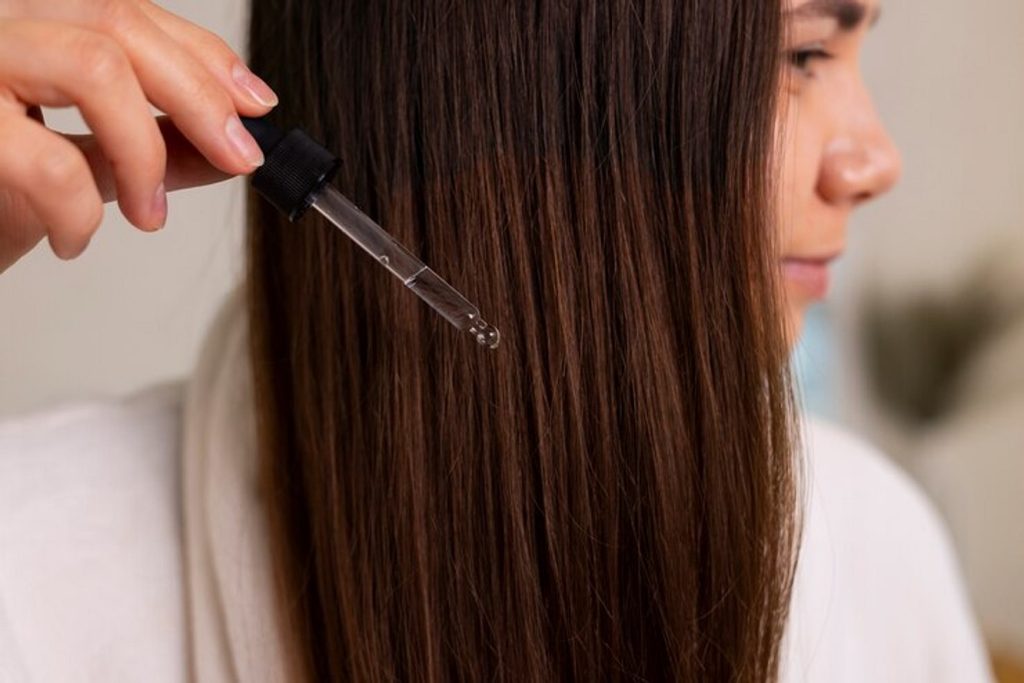
The Basics of Protein Treatments: What Are They and How Do They Work?
Protein treatments fix and strengthen hair by adding proteins actually. Hair is made of keratin which kind of is a protein. Chemicals and heat styling weaken hair over time you know.
These treatments fill in the gaps or holes in hair strands that happen when protein is lost. This makes it flexible and less likely to break honestly. Proteins stick to the hair surface and kind of make a barrier. It is important to know not all protein works the same way. It is vital to know what your actual needs are. Not only are they not permanent. But they also dont work right away. Treats should be based on how much damage you have. And you should focus on regular care.
Signs That Your Hair Needs a Protein Treatment
Your hair talks when you look and feel it well. Dull or soft hair means you might lack enough protein i think. Another sign is strands that feel thin. Split ends or breakage may mean you are losing protein.
Hair is often over moisturized but this is misunderstood by many people. Protein helps keep elasticity in check. Soft hair when wet or no curl staying means too much protein. These details actually help know if you really need protein.
Common Causes of Weak and Limp Hair in Women
Many things weaken hair and the causes differ for every person. Common cause is heat tools damaging hair when used often too often. Protein loss happens with chemicals like when bleaching or coloring hair.
Another reason is bad care like tight styles or brushing hard. Stress and bad nutrition happen when you do not eat enough protein. Hormone imbalance also actually plays a bigger role than people think.
The Benefits of Using Protein Treatments for Hair Health
Adding protein to hair care has many benefits for look and feel. Protein strengthens the cuticle layer and helps keep hair from breaking. It makes hair flexible again to return to its original shape.
Proteins form stronger bonds and make dull strands healthy and shiny. If you need more volume. Protein treatments can temporarily make your hair thicker. To keep these effects going. Though regular users often need to get treatments every so often. It works differently for each person depending on hair type.
How to Choose the Perfect Protein Treatment for Your Hair Type
Right protein treatments help different hair types in their own ways. First you figure out damage amount you can possibly do. Pick reconstructors if damage is light or moderate. Choose deep penetrating protein masks to fix split ends that have been bleached a lot.
Curly or colored hair basically needs milder formulas for lesser buildup. Coarse thick hair needs proteins that moisturize and condition together. Check ingredients for hydrolyzed keratin collagen or soy proteins. Oily or dry scalps may show no clear difference you know.
DIY Protein Treatments: Affordable Solutions for Hair Repair
Protein treatments that you can do yourself are a great way to fix your hair without spending a lot of money. Simple. Everyday items that you may already have are used in these homemade solutions.
- Are often picked. With weekly use. They deliver natural proteins that make hair more hydrated and shiny.
- Help hair that is only slightly damaged. Yogurt makes strands stronger by giving weak roots proteins that are high in water.
- Honey masks help soften and fix ends that arent strong enough. They also fix things that break over time.
- Even though theyre not normally used. Make temporary bonds that give fine strands more structure.
For best results do these treatments once a month instead of once a week for excess prevention. Making at home takes time but saves money so worth it.
Professional vs. At-Home Protein Treatments: Which is Right for You?
For serious problems use protein treatments they work fast and offer advice. Salons check hair porosity and kind of tell needed intensity. They access solutions not really available in other places. Customized bonds last longer.
While at home methods are cheaper. They need to be used consistently and with knowledge. Cheap boxed masks only work temporarily and in limited ways. Users should make sure they follow the right instructions during applications at least once a week or once a month. So. Pick between spending limits and long term hair goals that are easy to reach.
What are the key ingredients to look for in a good protein treatment?
Keratin collagen wheat proteins proteins and acids basically make strands stronger. Skip lists that are full of silicone. Though.
Can protein treatments lead to hair damage if overused?
Yes using protein too often can make hair stiff. Overuse makes things less flexible. Follow repair schedules actually at least once a month is suggested.
How can you tell if your hair is protein-deficient?
Split ends breakage or loss show damage that changes hair texture.
What is the difference between protein and moisture treatments for hair?
When protein treatments are used. They make structural bonds stronger. For balance. Moisture refreshes types of dryness that are brittle. For different goals to be met. Cycles need to be changed regularly.
No matter how damaged knowing more about protein tools makes it easier to choose the right ones for the job