There are heat styling risks you might not actually know about. Many people do not know habits hurt their hair over time. It talks about common heat mistakes and how they hurt hair long term.
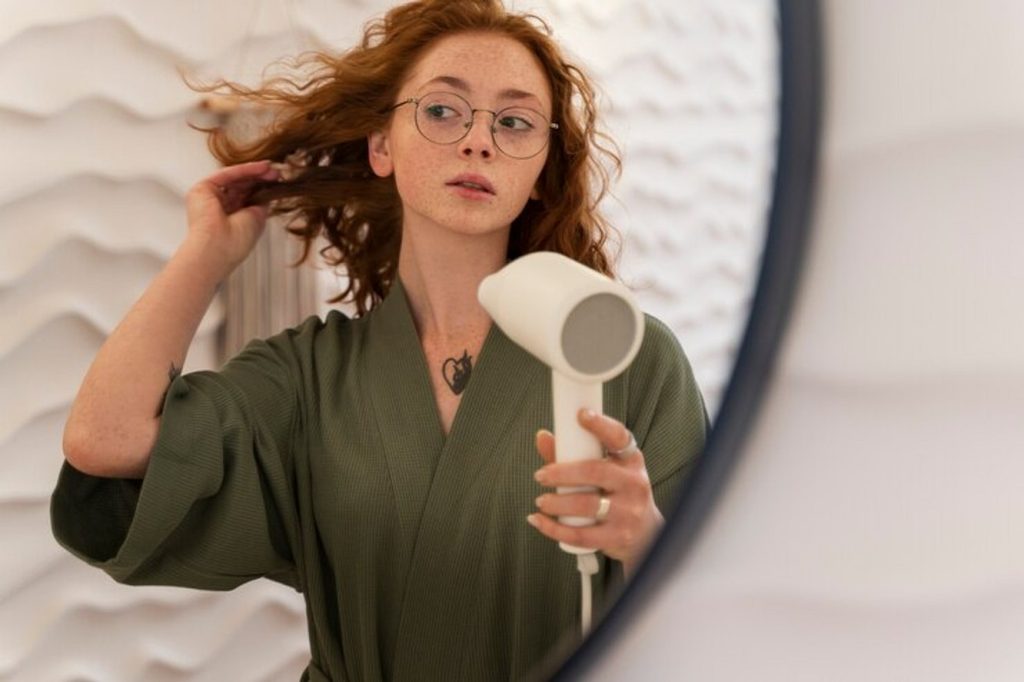
How Frequent Heat Styling Impacts Hair Health
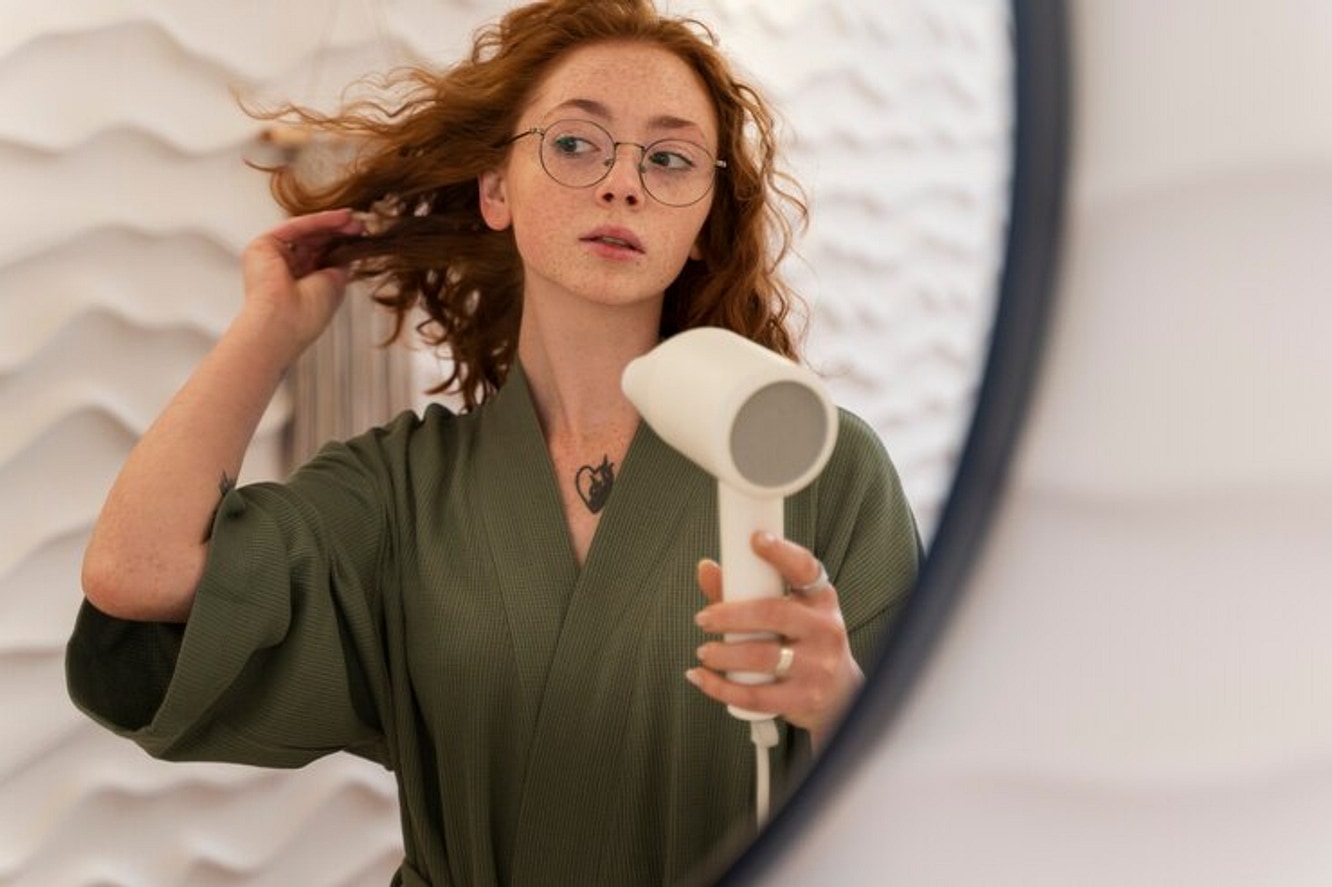
Too much heat styling damages hair badly with tools like curling irons. Hair proteins actually break down when heat is applied repeatedly. Hair becomes weak and breaks when styled daily or every other day.
Using heat too much kind of hurts your scalp over time. Excessive heat damages follicles and makes thick healthy hair harder to grow. Hair might thin and break you know with too much heat use. Style hair with heat only once or twice weekly to avoid damage. Give hair rest time after styling to help avoid damage.
Change your routine basically whenever you get the chance. Do not blow dry hair as a simple example change. Let hair dry naturally usually to avoid unnecessary heat damage. Style without heat like. You know braiding overnight for wavy hair.
The Role of Improper Temperature Settings
If you do not set tools right it can damage damage. People think straightener on high works better but it does not. But high heat that isnt needed cracks and splits the cuticles.
If hair is fine or damaged use low or medium heat. Thick or curly hair needs more heat but keep it controlled safe. Professionals say stay between 300 and 350 degrees always. Heat changes over time so like start low first.
Sudden hot spots can be avoided by using tools that heat evenly. Different parts of your hair get burned faster by uneven heat. These days gadgets have temperature controls that can be changed or are smart. If you want to keep your hair healthy while you style it. Buy tools with this feature.
Skipping Heat Protectant: A Silent Culprit
The worst thing is skipping heat heat protectant for safety. Lacking this barrier heat dries strands out directly clearly.
- As a barrier against high temperatures. It keeps water in.
- Applying heat serum: spray it on dry or wet hair all the way through. From the roots to the ends.
- Importance of protective formulas: look for things like argan oil or keratin in the ingredients. They protect you even more.
- Best practices: use a serum just to be safe. Even if youre not going to use high heat.
- Long term benefits: regular use stops dryness and slows down the damage that other habits do.
It might save you time to not use protectants. But the damage will last longer if you do always have one on hand for styling.
Why Not Allowing Your Hair to Fully Dry is Harmful
When you heat style hair that is wet or damp. You do a lot of damage. When you style your hair. Steam weakens the bonds between your hair right away. Another worry is styling hair that isnt even. Since wet hair doesnt hold its shape as well as dry hair.
When strands are wet well they cannot handle heat stress. Wet hair breaks as it is fragile and stretches stretches more. Hair dryers are safer but be careful anyway i think. Do not hold dryers close keep them warm or low levels.
If time is short well towel your hair gently you know. Before heat exposure get rid of extra moisture to protect. Choose drying methods fit for hair texture to best protect well.
The Long-Term Effects of Using Old Heat Styling Tools
Your hair is like a time bomb when you use old tools. Flat irons that are worn out can pull or catch your hair. Most of the time. This happens because their plates get less even over time. Tools that arent level produce uneven results. Which makes some areas too hot.
Wires and other internal parts often break down in old tools. This can cause sudden temperature drops that can burn your hair in an instant. Hair shafts get thinner or weaker over time when you use devices that dont have modern heat controls.
If your styling tools stop working well or show signs of wear. You should get new ones. Spend your money on better devices that you can use every day. Depending on how often you style. You should update your collection every three to five years. Also. Do regular maintenance like cleaning product residue off of plates.
The Problem with Overusing Straighteners and Curlers
A lot of people depend on these tools and think they cant style without them. Even the best tools can damage hair after too much use because they stretch the strands over time.
- Flat irons damage hair cuticles and weaken it i think.
- High heat curling irons break once healthy hair strands you know.
- Too much use ruins curl patterns permanently actually over time.
- Leaving tools longer harms hair more than quick strokes basically.
- Burning smells or fried ends show damage that you cannot fix.
If tools are overused try heatless styles sometimes i suggest. Take months off of heat to give your hair a break it needs.
The Damage Caused by Pulling and Tugging During Styling
Styling tight pulls hair adding extra hair stress i mean. Too much pulling weakens roots over time causing long lasting thinning.
Wrong nail straightening could over pull and overstretch your fragile cuticles. Excess curling wrapping breaks hair ends more easily i think. Tight clips and ties worsen hair health before blowdrying basically. Avoid daily pulled back styles as they hurt hair roots. Tight buns ponytails damage hair over time actually badly.
Basically style hair gently instead without too much pulling. Use wide combs to fix knots by slowly moving over sections. When rushed use blowdry tips avoiding harsh pulling styling methods. Style hair gently every single time to keep it totally healthy.
What are the common mistakes people make with heat styling?
People often forget using heat protectants while styling their hair. Some people often use very high temperatures. Some people dont clean their tools for years. Many people rush and style without using the right tools.
How can heat protectant products help reduce damage?
Heat protectants put up a wall around hair to keep it from drying out. Most products stop water from getting in and fix damage on the surface. They are an important part of styling.
What are the signs of long-term heat damage in hair?
Weak strands split ends dry hair all show damage signs. You may lose shine or flexibility in hair making it frizzy.
How often should I use heat styling tools on my hair?
Wash hair twice weekly. Take breaks with your hair every so often. This lessens the damage over time and gives strands time to heal.
Allow your hair to breathe and heal itself. Dont heat everything every day just to make it look good. Damage can be fixed with time. Care and recovery. Take care of yourself over getting results right away from daily habits. When you love your hair. It looks better.