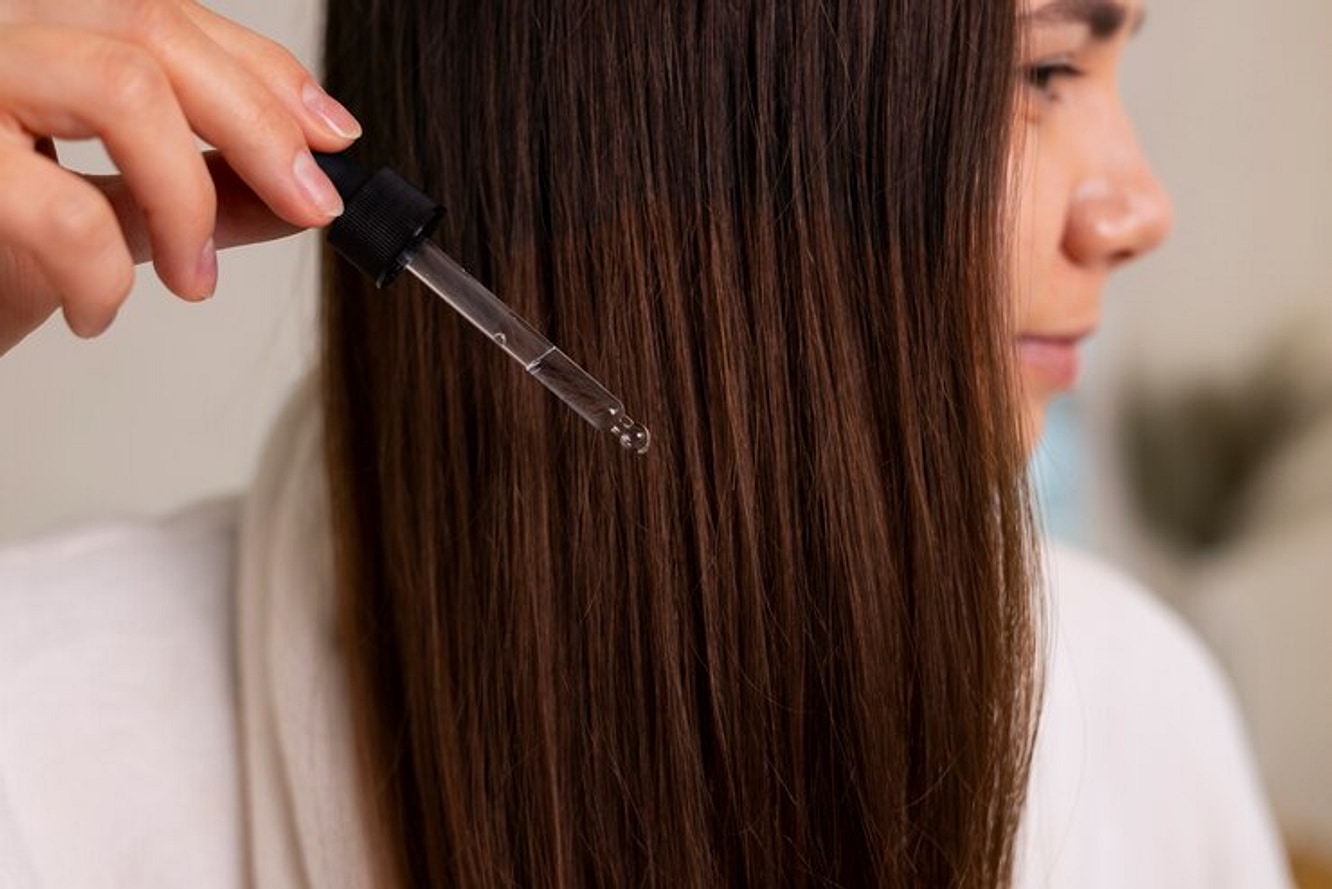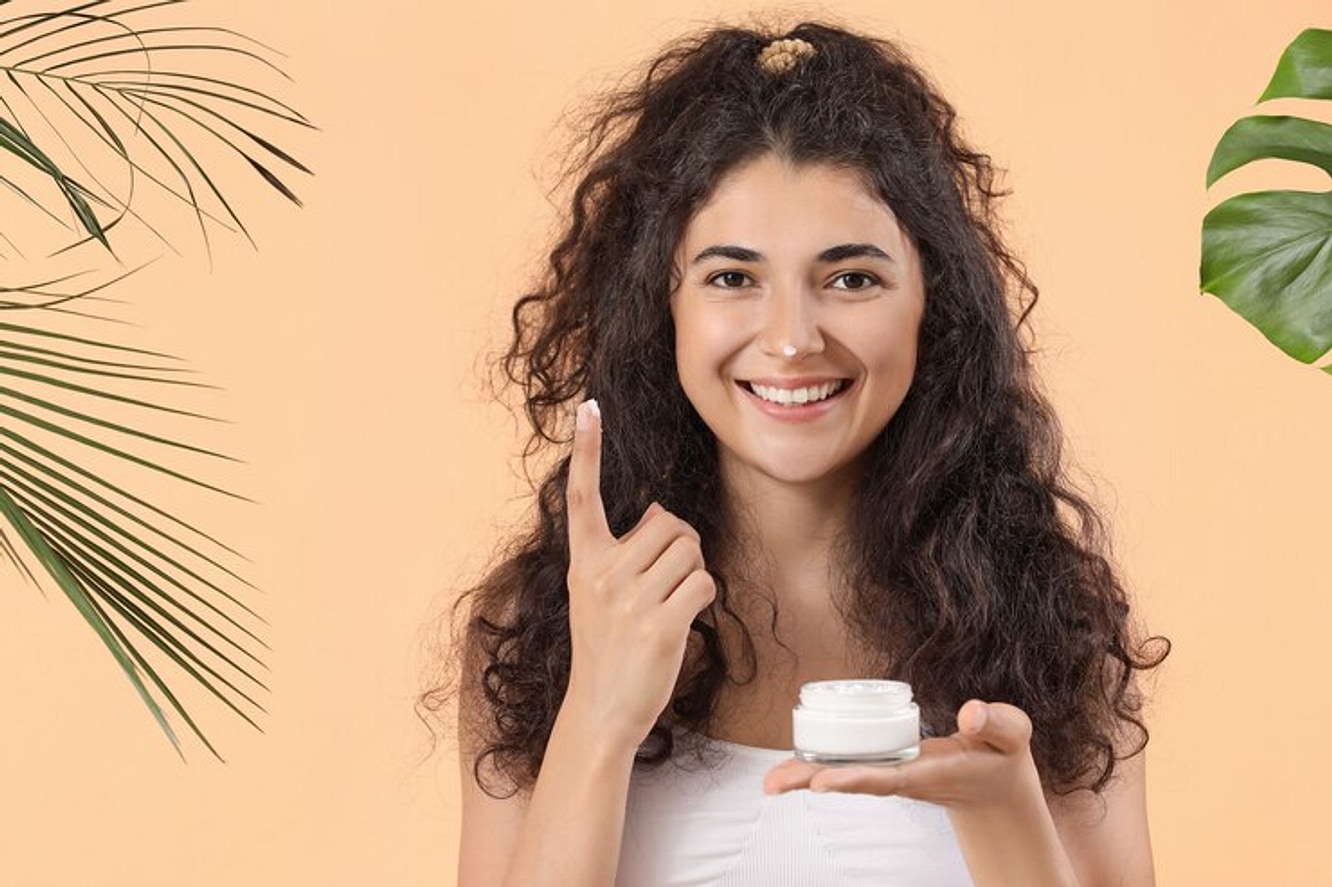
Balancing strength and moisture helps to keep hair healthy and strong. Diy hair masks are easy and basically nourish hair naturally. Find tips recipes and ingredients that kind of save money.
What Makes a Hair Mask Effective?
Hair mask results depend basically on ingredients and their mix. Natural oils yogurt and proteins basically keep hair actually healthy. Masks focus on hydration and kind of giving lost strength to skin.
First figure out what actually your hair really really needs. Dry hair needs water and weak hair benefits from protein treatment. The perfect mix moisturizes heals and basically fixes the skin. It is tricky when applications like kind of do not match well.
Ingredient freshness and quality are actually really important for better results. Homemade masks seem more effective actually than store bought ones. Hair masks are not magic but they help keep healthy habits. Texture shine elasticity improves only when consistency is like maintained well.
Understanding the Balance: Moisture vs. Strength
Balancing strength and moisture is tricky but vital to avoid damage. Proteins help hair structure and healing but moisture makes it soft.
Too much moisture makes your hair limp soft and kind of breaks. Too many proteins can actually make your hair weak and breakable. Switching between moisture masks and protein treatments works best for your hair.
Moisturizing masks work best on frizzy dry and kind of rough hair. Weak or chemical treated hair basically needs to get stronger. To change your approach. Try keeping an eye on changes that happen after using certain masks. Make a balanced schedule and track what happens for long term results.
Ingredients for Hydrating Hair Masks
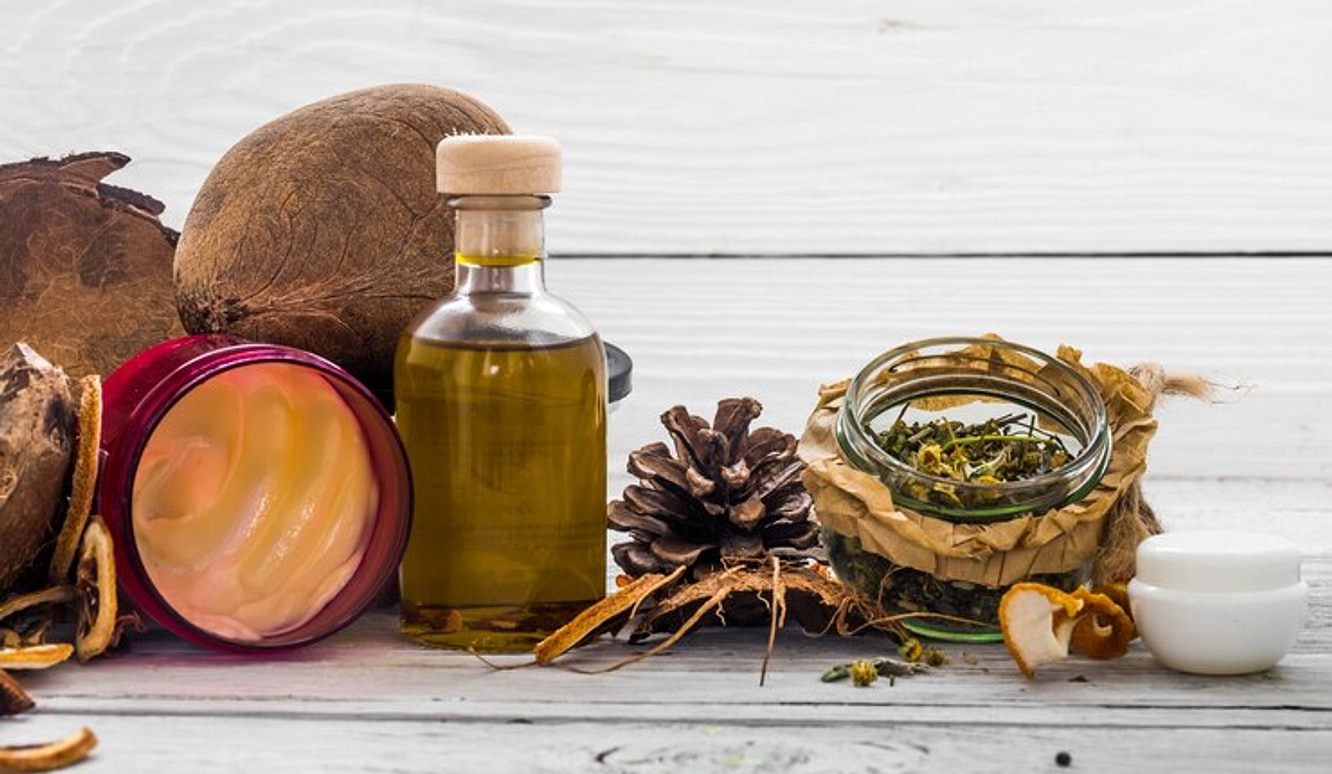
Hydrating masks moisturize dry hair and actually make it smooth. These ingredients are cheap and mostly come from your own home.
- Avocado: its natural fats make basically dull brittle hair soft and healthy.
- Coconut oil: coconut oil locks moisture into hair and eases styling immediately.
- Aloe vera gel: aloe vera gel adds moisture without weight and also fights itching.
- Honey: honey holds moisture naturally in hair and gives it kind of shine. Its great for curls.
- Banana: Vitamins and potassium heal dry skin and kind of help elasticity.
Pick combinations. For example banana and honey work great together to keep you hydrated. Mix and apply from roots to ends of your hair strands. Rinse it after thirty minutes for soft and easier hair.
Proteins That Restore Hair Strength
To fix damage and make weak hair stronger. Protein is the key. It actually makes hair flexible and repairs breaks and split ends.
Eggs nourish hair strands well because they have high protein levels. Yogurt has protein and basically keeps moisture in the body. When used the right way. Collagen powders can also work.
Gelatin is used for brittle hair and kind of common. Proteins from quinoa and wheat help curly hair actually bounce back.
But you shouldnt always use proteins. Change every few weeks i think based on your hair. Rinse well and check your hair to see what you think.
Common DIY Recipes and How They Work
Do it yourself recipes are cheap and let you choose what goes into them. Every mask i think has a purpose that works for hair.
- Hydration boosting avocado mask: mash avocado and basically mix with a tablespoon of olive oil. Use on dry hair to add shine and moisture.
- Strengthening egg hair mask: mix one egg and two tablespoons basically of aloe vera gel. Use on weak spots to join together broken strands.
- Honey banana smoothie mask: mix one ripe banana with honey to make your hair soft and smooth. It takes away dryness right away.
- Greek yogurt and lemon mask: three tablespoons of yogurt should be mixed with one tablespoon of lemon juice that has just been squeezed. It cleans the scalp and reduces split ends.
Pick recipes that kind of match the state of your hair. Use weekly and keep doing it that way kind of long term.
How Often Should You Use Hair Masks?
Only use masks as needed because overuse makes problems worse basically. Weekly treatments are actually good for almost all hair types.
Two times a week hydration masks might help hair that is dry. Curly or badly damaged. When you dont have bleach damage. You should wait 3 4 weeks between protein masks.
Alternate strength and moisturizing masks for hair as planned. Do not use both together because results will probably be bad. Like pay really close attention to your hair i think. Change based on its state to avoid common mistakes.
Tips to Avoid Over-Moisturizing or Over-Strengthening
Avoid extremes by finding balance between usage types basically. It greatly lowers the risks.
- Check hair often. If your hair feels mushy. Stop over hydrating it right away.
- If your hair feels too soft or stretchy. Try making your own masks with protein.
- Dont wear the same mask for three weeks in a row without looking at how it works.
- Heavy creams can make your skin feel too greasy. So use lighter oils instead every once in a while.
- Care for both the scalp and the hair strands at the same time. Dry scalps need consistency. And hair tips need moisture.
Make note of small changes tweaking recipes is the best way to find the middle ground without tipping the scales. Wait because quick fixes make things worse in the long run.
What are the benefits of combining moisture and strength in hair masks?
Hair masks that combine moisture and strength make hair that is soft and strong. It makes strands stronger without making them stiff or breaking. Balanced treatments make hair flexible protect it from damage and feel great.
How can I use natural ingredients to create effective hair masks?
Banana eggs and aloe vera are natural ingredients fixing various problems. Pick one hydrating base add proteins mix oils and always test. Mixing is simple when you know what you really need.
What are the signs of over-moisturized or over-strengthened hair?
Over moisturized hair actually feels sticky stretchy flat without bounce or volume. Too much protein makes hair loose brittle rough and tense i think. They also break into strands that wont bend. Notice these signs to actually change your masks i think.
Can DIY hair masks replace professional hair treatments?
Salon serums or keratin cannot really be replaced by homemade masks. But regular homemade care fills in the gaps between days well. They are affordable and offer customization options that more expensive professional situations dont have.
Taking care of hair with balanced diy solutions is kind of empowering. Simple home recipes planning and awareness actually do amazing things over time. One mask at a time. Pay attention to your hair. Learn about the ingredients and reach your hair goals.