Introduction
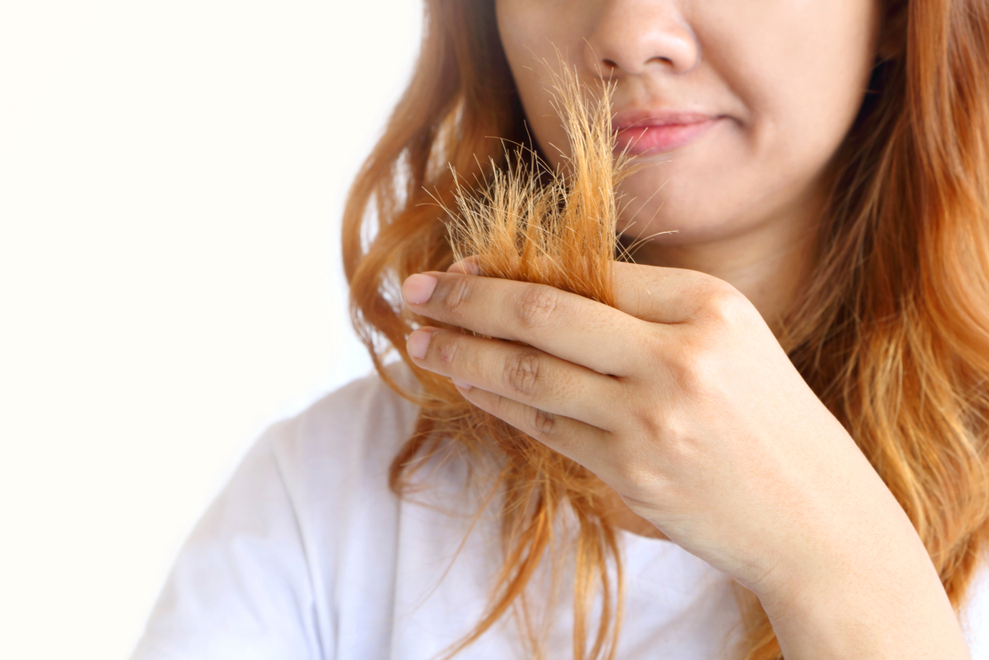
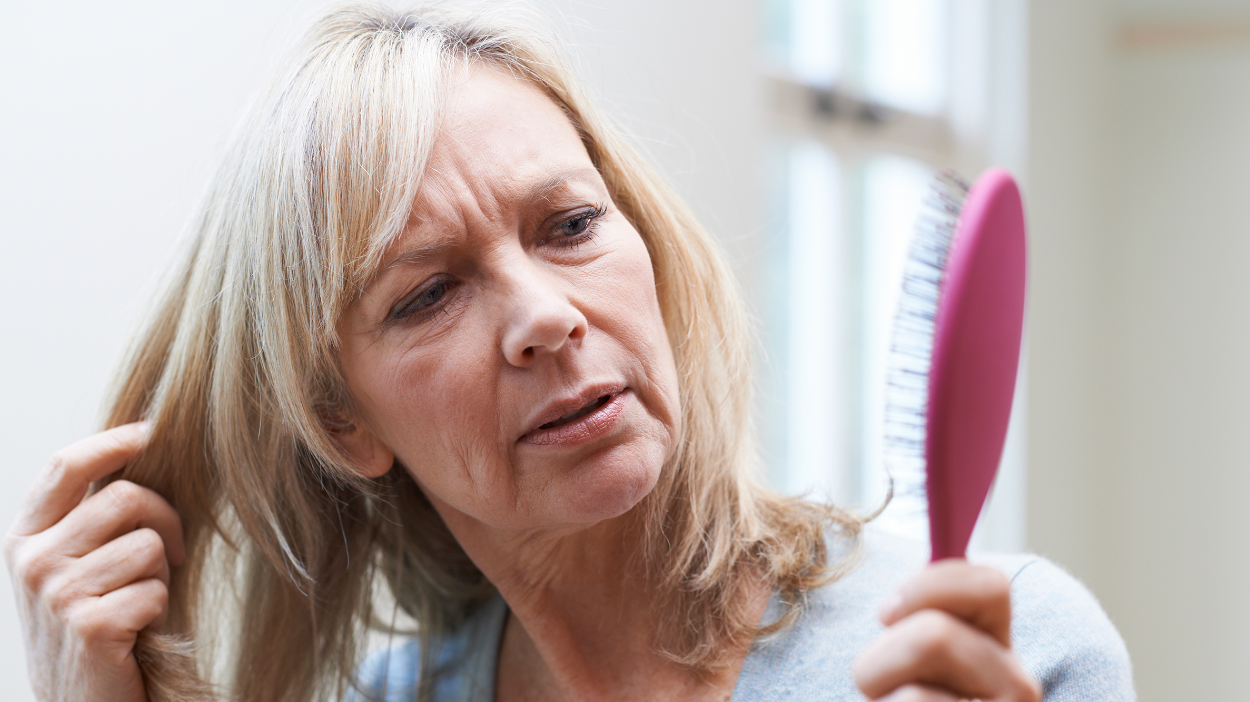
For many women, the age of 40 marks a significant milestone in life, but it can also bring some unexpected changes in the body. One of the most common concerns for women over 40 is hair thinning. Whether it’s noticing more strands in the shower drain or feeling like your hair doesn’t have the same volume as it used to, thinning hair can be a frustrating reality.
At Beauty Hair Kingdom, we understand how impactful these changes can be, and we’re here to provide clarity. In this article, we’ll explore the causes behind hair thinning, debunk common myths, and discuss effective solutions to help women maintain healthy, full hair well into their 40s and beyond.
Why Does Hair Thinning Happen After 40?
As we age, our bodies undergo various hormonal, genetic, and lifestyle changes, all of which can affect our hair. Here are the most common reasons women experience hair thinning after 40:
1. Hormonal Changes (Perimenopause and Menopause)
One of the most significant contributors to hair thinning after 40 is hormonal fluctuations. As women approach perimenopause and menopause, the levels of estrogen (the hormone responsible for hair growth) decline. At the same time, androgens (male hormones) may become more dominant, leading to hair thinning. This often results in a more noticeable difference in hair density, particularly at the crown of the head.
At Beauty Hair Kingdom, we often advise women experiencing these changes to explore hair growth treatments that target hormonal imbalance.
2. Genetics and Family History
Genetics play a huge role in determining whether you’ll experience hair thinning or pattern baldness as you age. If your mother or grandmother experienced thinning hair, it’s likely that you may also face similar challenges. This type of hair thinning is known as androgenic alopecia and typically starts around midlife.
While you can’t change your genetic predisposition, knowing your family’s hair history can help you take proactive steps earlier.
3. Stress and Lifestyle Factors
Stress is another culprit. Whether it’s due to work, personal life, or the natural changes that come with aging, stress can trigger telogen effluvium, a type of hair loss where a large number of hairs prematurely enter the shedding phase. Diet, sleep, and exercise also play key roles in maintaining healthy hair—so a balanced lifestyle can help combat thinning.
Myths About Hair Thinning After 40
There are many misconceptions about hair thinning after 40. Let’s bust a few of these myths and set the record straight.
Myth 1: Hair thinning is only caused by aging
While aging is a significant factor, it’s not the only one. Genetics, health issues (such as thyroid problems), and lifestyle choices can also contribute to hair thinning. It’s important to explore all potential causes, rather than attributing it solely to age.
Myth 2: You can’t do anything about thinning hair after 40
This is simply not true. There are plenty of treatments available today that can help women regrow hair or slow down the thinning process. Whether it’s topical solutions, oral supplements, or changes to your hair care routine, Beauty Hair Kingdom provides a range of resources to guide you through the process.
Myth 3: Hair thinning only affects older women
Though it’s more common in women over 40, younger women can also experience hair thinning. Hormonal imbalances, stress, and poor diet can affect women in their 20s and 30s as well. Women of all ages need to pay attention to their hair health.
How to Prevent and Treat Thinning Hair After 40
Now that we’ve explored the causes and myths surrounding hair thinning, let’s look at some effective strategies that can help you maintain full, healthy hair well into your 40s and beyond.
1. Use Gentle Hair Care Products
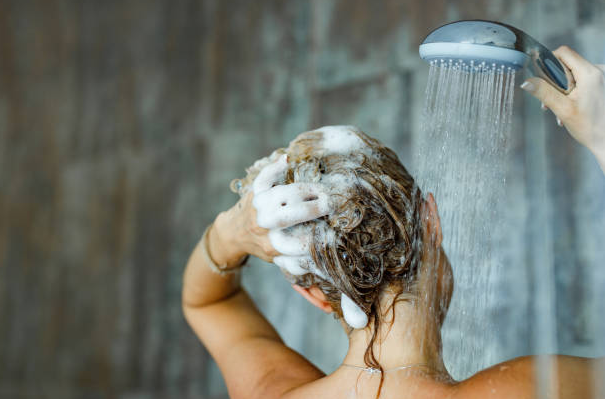
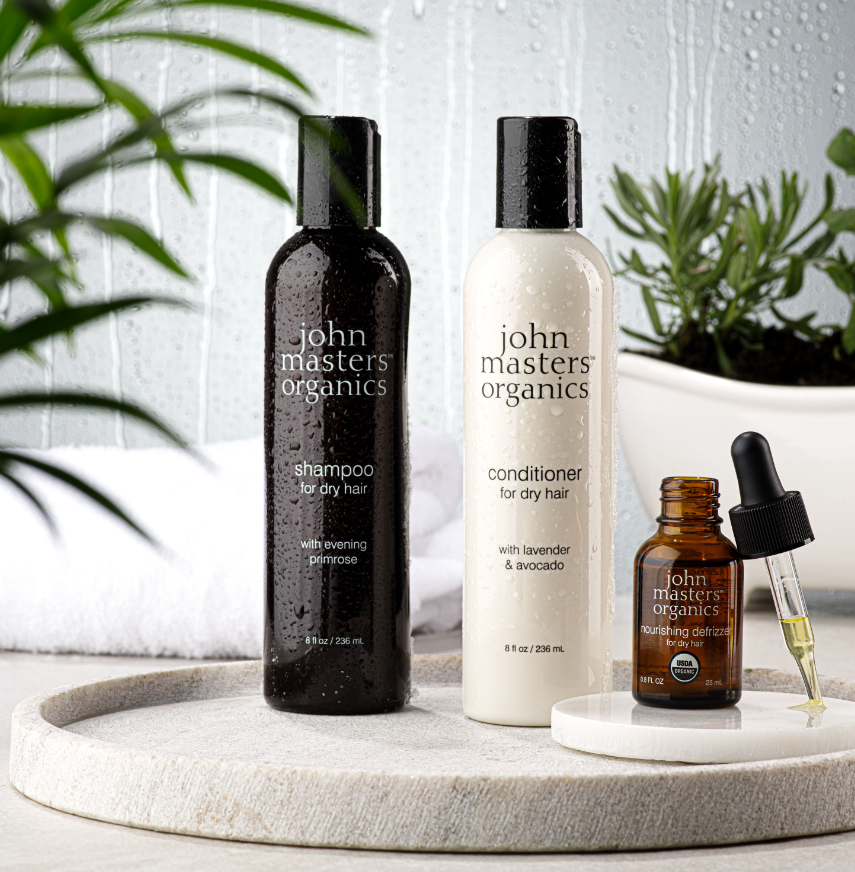
At Beauty Hair Kingdom, we always recommend that women with thinning hair opt for gentle, sulfate-free shampoos and conditioners. Sulfates can strip the scalp of essential oils, leaving the hair weak and prone to breakage. Choose products that contain natural ingredients like biotin, keratin, and essential oils that nourish the hair and scalp.
2. Scalp Massages
Regular scalp massages can help stimulate circulation and promote hair growth. Gently massaging the scalp for 5–10 minutes daily can encourage hair follicles to work more efficiently. Using nourishing oils like castor oil or rosemary oil can enhance the benefits.
3. Minoxidil Treatments
Minoxidil is an FDA-approved topical treatment that has shown to help regrow hair in women experiencing thinning or hair loss. Applying minoxidil directly to the scalp can help extend the growth phase of your hair, leading to thicker, fuller strands. While it may not work for everyone, it can be an effective solution for many women.
4. Biotin and Nutritional Supplements
Biotin (Vitamin B7) is an essential nutrient for hair health. Many women over 40 benefit from taking biotin supplements to help strengthen their hair. Other vitamins like Vitamin D, Iron, and Omega-3 fatty acids also play an important role in maintaining healthy hair. Consult your doctor before starting any supplement regimen to ensure you’re choosing the right one for your body.
5. Hair Thickening Products
For a quick fix, you can also try hair thickening products that create the appearance of fuller hair. These products, available in shampoos, conditioners, and serums, work by adding volume to each strand, making your hair appear thicker.
6. Consider Hair Transplants
For women with advanced hair thinning, a hair transplant might be a viable option. While this is an invasive treatment, modern techniques can provide lasting results by transplanting hair follicles from one area of your scalp to another. It’s important to consult with a licensed professional to understand the process and risks involved.
Lifestyle Tips for Healthy Hair After 40
1. Eat a Balanced Diet
Your hair needs the right nutrients to stay strong. Make sure to include plenty of protein, iron, and vitamins in your diet. Foods like salmon, spinach, eggs, and nuts can help support healthy hair growth.
2. Get Enough Sleep and Reduce Stress
Chronic stress can wreak havoc on your hair. Make it a priority to get 7–8 hours of sleep each night, and find ways to manage stress through yoga, meditation, or regular exercise.
3. Protect Your Hair from Damage
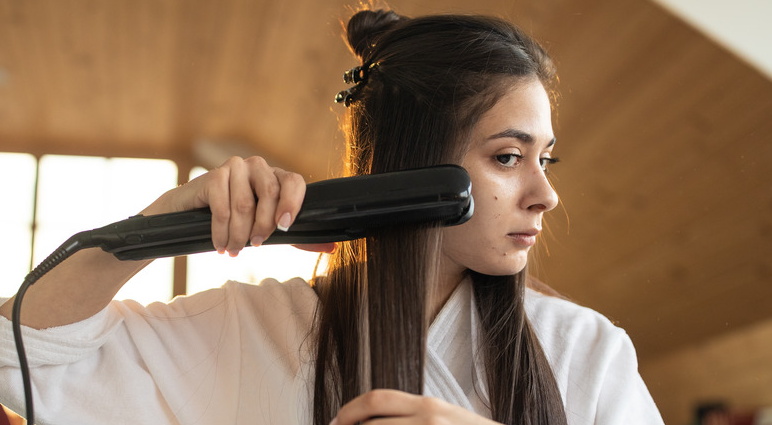
Avoid excessive heat styling or tight hairstyles that can cause traction alopecia (hair loss due to tension on the scalp). Protect your hair from UV rays by wearing hats or using hair products with UV protection.
Conclusion: Take Charge of Your Hair Health with Beauty Hair Kingdom
Thinning hair after 40 is a common concern for many women, but it’s not something you have to live with. With the right hair care routine, treatments, and lifestyle changes, you can restore thickness and vitality to your hair.
At Beauty Hair Kingdom, we’re dedicated to providing you with the latest tips, expert advice, and product recommendations to help you achieve your healthiest hair ever.
✨ Visit Beauty Hair Kingdom for more expert tips on hair health, aging hair solutions, and personalized advice tailored just for you.