Understanding Hereditary Hair Loss in Women & Natural Herbal Solutions
By Beauty Hair Kingdom
Hair loss can be distressing for anyone—but when it is hereditary and affects women, the emotional and psychological impact can be especially strong. In this article, we explore what hereditary (genetic) hair loss means in women, how it differs from other types of shedding, and how natural and herbal approaches can help. We also reference helpful resources on our site Beauty Hair Kingdom.
What is hereditary hair loss in women?
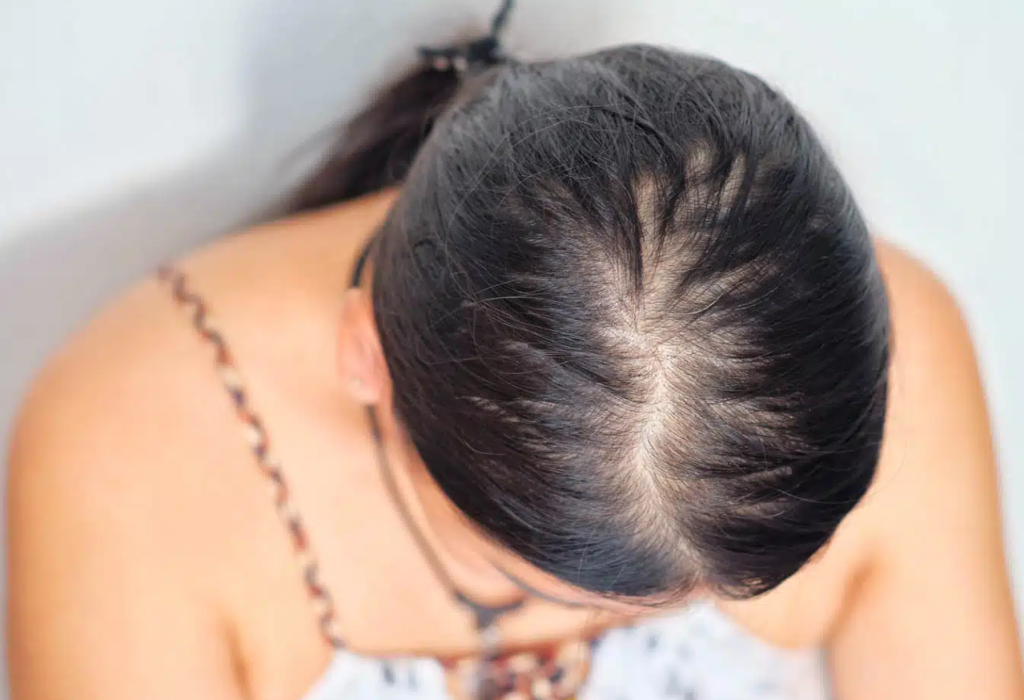
Hereditary hair loss in women is often referred to as female pattern hair loss (FPHL) or androgenetic alopecia in women. It is characterized by thinning hair across the scalp, especially at the crown or part line, rather than the distinct “M‑shaped” hairline recession often seen in men. According to one source: “Female pattern hair loss … the most common type of hair loss in women.” aushair.com.au+1
The underlying mechanism includes a combination of genetic predisposition, hormonal influences (especially androgens like dihydrotestosterone, or DHT), miniaturisation of hair follicles, and a gradual shortening of the hair‑growth cycle (anagen phase). ويكيبيديا+1
In simpler terms: your follicles are genetically more sensitive to hormonal or chemical signals that cause them to become smaller (miniaturise), produce thinner hair, then eventually stop producing visible hair altogether. Over time, the result is visible thinning, widening of part lines, reduced volume, and lower density.
How to recognise hereditary (genetic) hair loss vs other types
Recognising the pattern is helpful. Some distinguishing features of hereditary hair loss in women:
- Gradual thinning rather than sudden shedding. While telogen effluvium (stress‑related shedding) causes sudden loss, hereditary loss is slower and progressive. HWT Clinic+1
- Widening of the central parting (scalp becomes more visible along the part).
- Diffuse thinning on the top of the scalp rather than a patchy bald spot (although in advanced cases bald spots may appear).
- A family history of hair loss in either your mother’s or father’s side.
- Not typically associated with scalp scarring, itching or inflammation (unless there is a secondary condition).
- Often accompanied by miniaturised hairs: hairs become finer, lighter, less pigmented over time.
It’s worth noting: before assuming hereditary hair loss, it is wise to have a medical/dermatological evaluation to exclude other causes such as nutritional deficiencies (iron, zinc, vitamin D), thyroid problems, hormonal disorders (PCOS, menopause), medication‑induced loss, scalp diseases, or excessive styling damage. HWT Clinic
Why does hereditary hair loss happen in women?
At the root are a few interlinked factors:
- Genetics: There are inherited genes that predispose one to hair‑follicle sensitivity to androgens, or to a shorter hair‑growth phase.
- Hormones: Even in women, androgens (male‑type hormones) play a role. The enzyme 5‑alpha reductase converts testosterone into DHT, which can bind to hair‑follicle receptors and trigger follicle miniaturisation. Some herbs and treatments target this. Mindovix+1
- Age & hormonal changes: With age (especially around menopause), estrogen levels drop and relative androgen effects may increase, leading to greater thinning.
- Follicle miniaturisation: Hair follicles gradually shrink and produce thinner, weaker hairs, eventually failing to grow visible hairs.
- Lifestyle and scalp environment: Poor diet, inflammation, oxidative stress, scalp conditions, and poor circulation to the scalp can all accelerate thinning. aushair.com.au+1
Because the underlying driver is genetic/hormonal, traditional pharmaceutical treatments exist (like minoxidil, anti‑androgens) but also there are natural and herbal strategies that can support and slow the process, encourage healthier hair, improve scalp environment, and in some cases modestly reverse thinning. That’s where the focus of this article lies.
Natural & Herbal Treatments: What works (and what to expect)
While no treatment can completely guarantee full reversal of long‑standing hereditary hair loss in every woman, many natural and herbal approaches have shown promise. As always, results vary and consistency is key. At Beauty Hair Kingdom, we recommend a comprehensive approach: scalp care + nutrition + herbal support + lifestyle adjustments.
Here are some herbal/natural strategies:
1. DHT‑inhibiting herbs
Since DHT (dihydrotestosterone) is a central culprit in hereditary hair loss, herbs that help reduce DHT activity or its effects can be beneficial. For example:
- Saw Palmetto (Serenoa repens) — mentioned in herbal reviews as a promising natural DHT blocker. Mindovix+1
- Stinging Nettle (Urtica dioica) — may help support hair‑follicle health and contains compounds that raise growth‑factors for hair. ويب ميد
- Red Clover (Trifolium pratense) — some studies show it blocks the 5‑alpha‑reductase enzyme (which converts testosterone to DHT). ويب ميد
2. Circulation & scalp stimulation herbs
Healthy scalp circulation and environment help follicles receive nutrients and oxygen, supporting hair growth.
- Rosemary (Rosmarinus officinalis) — topical use of rosemary oil improves blood flow and some studies suggest it may rival minoxidil in hair‑growth support. GQ+1
- Gotu Kola (Centella asiatica) — rich in minerals and often used in hair‑growth herbal blends for its ability to reduce the hair‑resting (telogen) phase. Denaturelle
3. Herbs for root nourishment & anti‑inflammation
Inflammation, oxidative stress and nutrient deficiencies all contribute to hair loss acceleration.
- **Amla (Indian gooseberry) — high in vitamin C and antioxidants, traditionally used in Ayurveda for hair support. ayursparshclinic.com+1
- **Hibiscus sabdariffa — used as a hair‑tonic flower: strengthens hair‑roots, conditions hair, combats excess shedding. Denaturelle
- **Fenugreek (Trigonella foenum‑graecum) — rich in vitamins and minerals, and supports thicker hair… Denaturelle
4. Scalp massage & oil application
Massage promotes circulation and may activate dormant follicles. Herbal oils combine well with this.
- Using a carrier oil (coconut, jojoba, almond) warmed and infused with rosemary, hibiscus, or amla oil, then massaging into the scalp 2–3 times a week, can help.
- Ayurvedic practice: warm oil massage + leave‑in for a period helps the follicles. letsayurveda.com
5. Lifestyle, nutrition & overall health
Because hair health reflects whole‑body health.
- Ensure sufficient protein, iron, zinc, vitamin D, and healthy fats. HWT Clinic
- Manage stress (because high stress = more shedding). Techniques include yoga, meditation, deep breathing. aushair.com.au
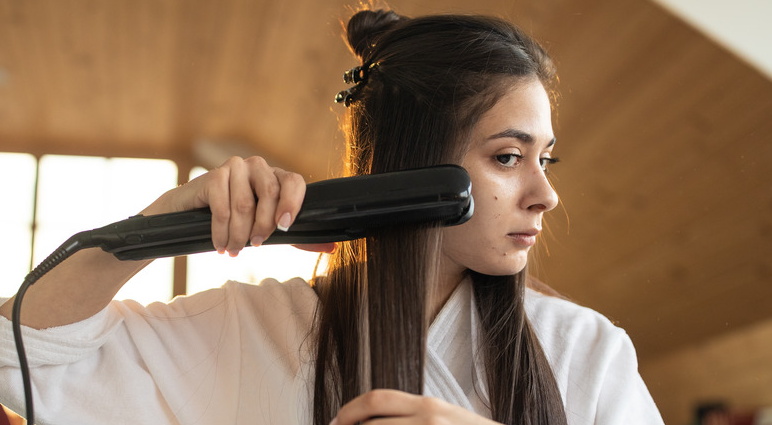
- Avoid harsh chemical treatments, excessive heat styling, tight hairstyles, and scalp damage. HWT Clinic
How to structure a natural herbal hair‑loss routine
Here’s a practical 4‑step routine you can adopt (and tailor via Beauty Hair Kingdom’s site and resources):
- Scalp cleansing & baseline care
- Use a gentle, sulphate‑free shampoo, once or twice a week to remove buildup and dead skin.
- After washing, apply a warm‑oil infusion (e.g., coconut oil + 5 drops rosemary essential oil + 1 tsp hibiscus powder) and massage for 5–10 minutes into the scalp.
- Leave the oil for at least 30 minutes, ideally overnight, then rinse out.
- Herbal tonic / leave‑in treatment
- Twice weekly, use an herbal tonic/serum with saw palmetto extract, nettle extract or red clover extract applied to the thinning area.
- After application, gently massage in and do not wash for at least a couple of hours (so it penetrates).
- Nutrition and oral support
- Add foods rich in iron (spinach, lentils), zinc (pumpkin seeds, nuts), omega‑3 fatty acids (salmon, chia) and vitamin C for iron absorption.
- Consider herbal supplements only after consulting your doctor, especially if you’re pregnant or have medical conditions.
- At Beauty Hair Kingdom you’ll find detailed articles on foods & herbs to support hair health.
- Lifestyle & monitoring
- Commit to this routine for at least 3–6 months before expecting visible improvement. Hair‑growth is slow.
- Track your progress: take monthly photos of your part‑line and crown region.
- Manage stress: adopt 10–15 minutes of meditation or yoga 3–4 times a week.
- Avoid harsh hair styles, chemical bleaching, tight ponytails, high‑heat blow‑drying or straightening.
What to expect & when to consult a professional
It’s important to have realistic expectations. Natural and herbal treatments may:
- Slow further hair‑loss (often the primary goal).
- Improve hair thickness and density slightly.
- In early‑stage thinning, may allow some regrowth. In more advanced stages (many years of thinning), full reversal is unlikely without medical intervention. Reddit+1
- Because hereditary hair loss is progressive and chronic, lifelong maintenance may be needed.
You should seek professional dermatological advice if:
- The hair loss is very rapid or patchy (this may signify alopecia areata, infection, or other condition).
- You notice redness, itching, pain or scarring on the scalp.
- You suspect hormonal disorders (irregular periods, hirsutism, acne) or nutritional deficiencies (blood test shows low iron, thyroid issues).
- You are pregnant, breastfeeding or planning pregnancy and want hair‑loss treatment advice.
Why Beauty Hair Kingdom?
At Beauty Hair Kingdom, we understand the emotional impact of hereditary hair loss in women and provide resources tailored to this condition. Our mission includes:
- In‑depth articles about genetics, hormones and hair‑follicle biology.
- Natural & herbal remedy guides (as above) clearly laid out for home use.
- Product reviews and recommendations (herbal oils, tonics, scalp‑massagers) that align with our natural‑first philosophy.
- Community support and case studies of women who have adopted the natural‑herbal path for hair thinning.
- Customizable hair‑care plans: for example, “Beginner thinning support”, “Moderate diffuse thinning”, “Post‑menopausal hair‑loss”.
We encourage you to visit our site, explore the herbal treatment guides, sign up for our newsletter for updates, and join our community forum to share your journey and learn from others.
Summary
Hereditary hair loss in women (female pattern hair loss) is a complex, progressive condition influenced by genes, hormones and follicle health. While pharmaceutical treatments exist, natural and herbal approaches offer a complementary way to support hair‑health with fewer side‑effects—especially appealing for those looking for gentler options. By focusing on scalp care, herbal tonics (like saw palmetto, rosemary, amla, hibiscus), good nutrition, healthy lifestyle and stress management, you can significantly improve your hair’s condition — slow further thinning, improve density, and support healthier hair growth.
However, this approach requires patience, consistency and realistic expectations. Frequent tracking and lifestyle adjustments are key. And always consider consulting a dermatologist if you have rapid loss, scalp problems or underlying medical issues.
At Beauty Hair Kingdom, we’re here to support you every step of the way: from understanding your condition to implementing a natural‑herbal routine, to monitoring your progress.