Having a baby is a life‑changing, beautiful event. But many women find that several months after delivery they face a new challenge: noticing more hair on their pillow, in the shower drain, or on their brush. This phenomenon is commonly known as postpartum hair loss. On the website of Beauty Hair Kingdom, we explore how this happens, what the timeline is, and steps you can take to support healthy regrowth.
What is postpartum hair loss?
Postpartum hair loss is the increased shedding or thinning of hair that often occurs after giving birth. The medical term for this kind of diffuse shedding is telogen effluvium. webmd.com+3Cleveland Clinic+3مستشفى هوكينز+3
During pregnancy, many women enjoy thicker, fuller hair. That’s because elevated estrogen levels prolong the growth phase of hair (the anagen phase). After delivery, as estrogen and other hormone levels fall back toward pre‑pregnancy levels, hair follicles that were held in the growth phase may shift en masse into the resting phase (telogen) and then shed. Cleveland Clinic+2Cleveland Clinic+2
From the perspective of Beauty Hair Kingdom, it is helpful to think of this as a temporary cycle disruption — not permanent hair loss. Most women will see their hair return toward its prior fullness as hormone levels stabilise.
When does it begin, and how long does it last?
Typically, postpartum hair shedding starts around 2 to 4 months after childbirth. Hola Health | Online Doctor Consultation+2Cleveland Clinic+2 The reason for the delay is tied to the timing of hair growth cycles and the shift from pregnancy hormone levels to postpartum levels. Cleveland Clinic
For most women, the shedding increases for a period of 1–3 months, peaks, and then gradually declines. According to various sources, hair tends to return to its normal growth pattern by around 6 to 12 months postpartum. مستشفى هوكينز+2Cleveland Clinic+2
Some women might experience shedding for up to 12 months or a little beyond, especially if there are other contributing factors such as breastfeeding, nutritional deficiencies, or thyroid issues. Cleveland Clinic+1
From the Beauty Hair Kingdom point of view: it’s helpful to reassure yourself that while the timing may vary, the vast majority of cases resolve on their own without aggressive medical intervention.
Why does it happen? (Causes)
There are several interconnected causes of postpartum hair loss:
- Hormonal changes
As mentioned, the sharp decline in estrogen after childbirth is a key trigger. During pregnancy, high estrogen keeps many hairs in the growth phase; once that drops, many hairs move into the resting phase and then shed. sanoswellness.com+2مستشفى هوكينز+2 - Physical and emotional stress
Childbirth is a major physical event, and the postpartum period often includes sleep deprivation, emotional changes, and the physical demands of caring for a newborn. These stresses can push hair follicles into the telogen phase sooner. Bauman Medical+1 - Nutritional deficiencies
After delivery, and especially if breastfeeding, a mother’s nutrient demands remain high. If dietary intake is insufficient in iron, zinc, vitamin D, biotin, protein or other nutrients, hair growth may suffer and shedding may worsen. Hola Health | Online Doctor Consultation+2hairsure.in+2 - Underlying thyroid or hormonal conditions
Some women develop postpartum thyroiditis or other hormonal imbalances after pregnancy, which can contribute to increased hair loss. sanoswellness.com+1 - Genetic predisposition and hair history
If you already have fine hair, a family history of hair thinning, or prior episodes of telogen effluvium, you may notice more pronounced postpartum hair shedding. womenshealthdomains.com+1
What does it look like? Signs and symptoms
Here are some common signs you might be experiencing postpartum hair loss:
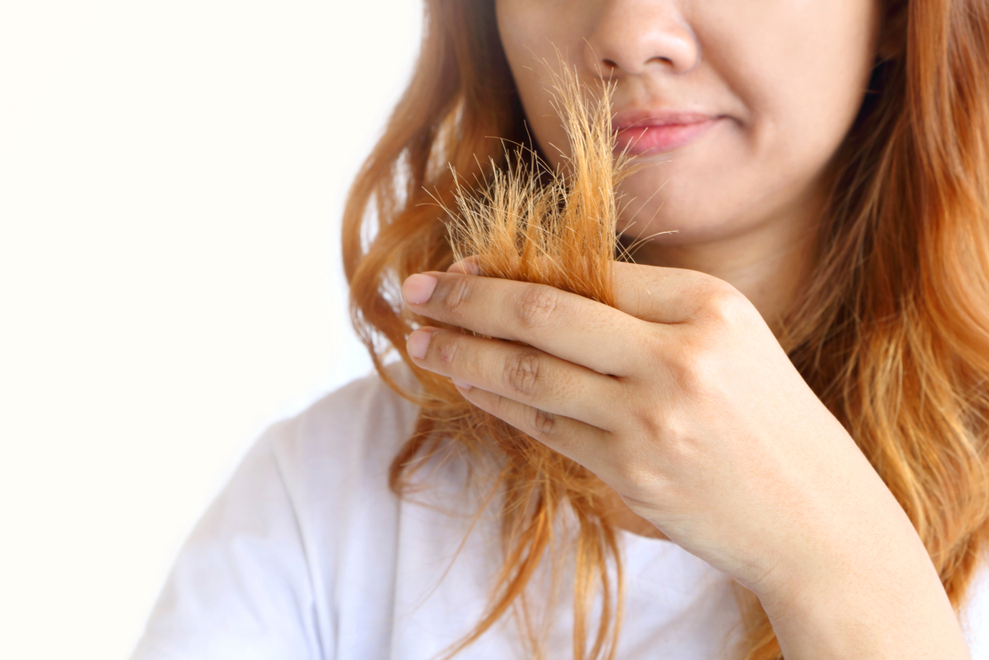
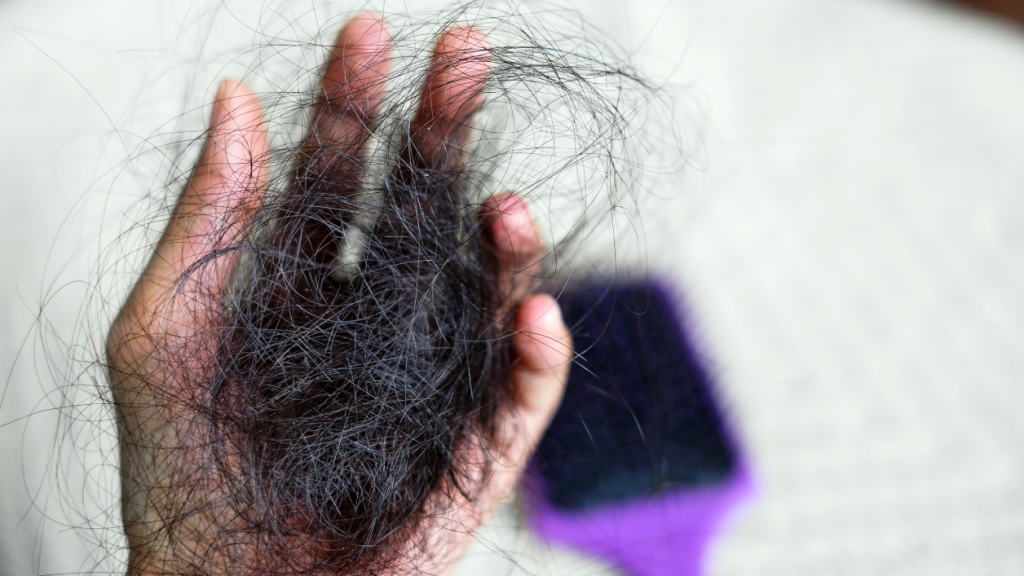
- Noticeably more hair on your pillow, in the shower drain, on the hairbrush or comb. Cleveland Clinic
- Thinning hair in areas where your part line widens, or around the edges or crown of the scalp. hairsure.in
- You may see new shorter hairs (baby hairs) around the hairline — these are regrowth.
- The overall volume of your hair may feel lighter or flatter.
- It is not usually patchy bald spots (that would suggest other diagnoses).
From the Beauty Hair Kingdom advice standpoint: if you notice extremely rapid, patchy hair loss, or hair loss persisting beyond 12 months postpartum, it’s wise to consult a healthcare provider or dermatologist to rule out other causes.
Will my hair grow back? Prognosis
Yes — in the vast majority of cases, the hair will grow back and return toward its pre‑pregnancy density. Medical sources such as the Cleveland Clinic state that “your hair will grow back after postpartum hair loss” and that the shedding is temporary. Cleveland Clinic+1 The key points:
- The shedding is generally part of a natural cycle rather than a sign of permanent damage.
- Normal growth resumes as hormone levels stabilise and follicles re‑enter the growth phase.
- From the Beauty Hair Kingdom perspective, patience is the most reliable “treatment.”
However, it’s also important to keep in mind:
- The new hairs might appear thinner at first or shorter (regrowth phase).
- It may take several months before hair feels “back to normal.”
- If hair loss continues beyond a year, or you notice other symptoms (fatigue, patchy loss, scalp changes), it’s time to investigate further (such as checking for thyroid dysfunction, iron deficiency, alopecia areata, etc.). webmd.com+1
What can you do? (Tips and management)
While you can’t completely prevent the shedding (because it’s hormonally driven), there are many supportive steps you can take to ease the process and support healthier hair sooner. On Beauty Hair Kingdom, we emphasise holistic care that focuses both on internal health and external hair habits.
Here are practical suggestions:
Internal/nutritional support
- Eat a balanced, nutrient‐rich diet: include lean proteins, healthy fats, plenty of fruits and vegetables, whole grains. Nutrients especially important for hair include iron, zinc, vitamin D, biotin (vitamin B7), and general B‑vitamins. Hola Health | Online Doctor Consultation+2hairsure.in+2
- Continue taking your postpartum or prenatal vitamins if your doctor recommends them (especially if you are breastfeeding). Some studies suggest continuing folate and supporting nutrients may benefit hair regrowth. Cleveland Clinic
- Stay hydrated and get good sleep when possible: while it’s hard with a newborn, prioritising rest and managing stress helps your body recover.
- If you had major blood loss during birth, or if you’re experiencing symptoms like fatigue, ask your doctor about checking iron levels (ferritin), thyroid function, vitamin D, and other labs. Hola Health | Online Doctor Consultation
Hair care and styling
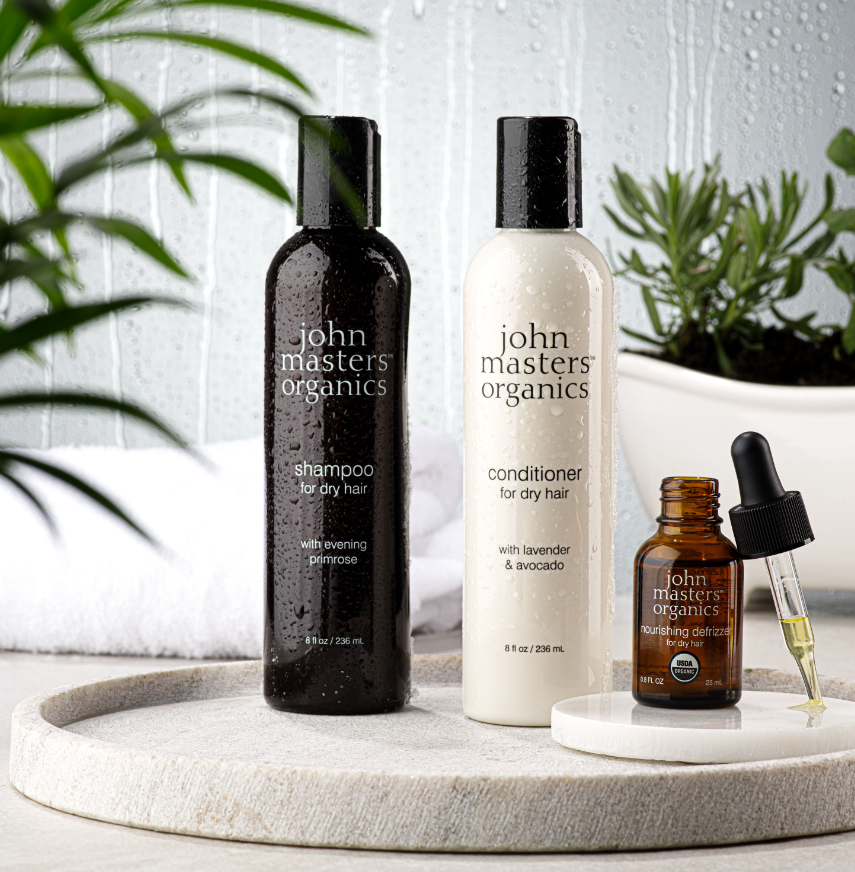
- Use gentle shampoos and conditioners. Opt for formulas that are designed for postpartum or thinning hair, or volumising products if appropriate. The Beauty Hair Kingdom mantra: “Less tension, more nourishment.”
- Avoid tight hairstyles (like very tight ponytails, braids, buns) that pull on hair — traction can exacerbate shedding. Cleveland Clinic
- Limit heat styling, chemical treatments (bleaching, perming), and harsh brushing, which can increase breakage. The focus should be on letting your hair recover rather than stressing it further.
- Consider a haircut or layers to remove damaged ends and give your hair more body, which visually helps the thinning phase appear less dramatic. Cleveland Clinic
- Scalp massage with gentle oil (such as coconut, argan, or other lightweight oil) can help stimulate circulation to the scalp. Some small studies suggest improved blood flow may support follicle health. مستشفى هوكينز+1
Styling tricks and mindset
- Use volumising styling products: mousses, root‑lifts, dry shampoo (occasionally) can boost appearance while hair is thinner.
- Choose a hairstyle that gives more fullness: shorter length, layers, or changing your partline can make hair look thicker.
- Be kind to yourself: noticing hair shedding can be emotionally distressing when you’re already adjusting to life postpartum. On Beauty Hair Kingdom, we stress that your value is not defined by your hair—and this phase is temporary.
- If you feel particularly anxious about your hair loss, consider talking with a dermatologist or hair specialist (a trichologist) to check for additional issues.
When to see a professional
While postpartum hair loss is normal, you should consider consulting a healthcare provider if:
- Hair loss is very rapid, patchy (rather than diffuse), or creating bald spots.
- The shedding extends beyond 12 months postpartum without signs of improvement.
- You experience other symptoms: extreme fatigue, weight changes, scalp inflammation, itchiness, or changes in nails/skin (these may point to thyroid disease, autoimmune disease, or other hair‑loss conditions).
- You have a family history of significant hair thinning or both parents with androgenetic alopecia; in that case early intervention may be helpful.
- You have concerns about your nutrient levels (iron, vitamin D, ferritin, zinc etc.).
Beauty Hair Kingdom recommends documenting your hair with photographs every 2‑3 months if you’re worried: that will help you and your provider see real improvement (or not) and guide decisions about further evaluation or treatment.
Understanding the timeline: What to expect in practice
Here is a rough timeline for many women, as seen in clinical literature and summarised for readers of Beauty Hair Kingdom:
- 0–2 months postpartum: Hair may still appear fuller because the shedding hasn’t started yet; you’re still enjoying the “pregnancy hair” effect when fewer hairs were in the resting phase.
- 2–4 months postpartum: Shedding often begins; you may notice more hair on your pillow, in the shower, on your brush. For many women the most intense shedding occurs around month 3–4. Allure+1
- 4–6 months postpartum: The shedding may still be significant, but often begins to taper. You may start noticing finer new hairs at your hairline or part.
- 6–12 months postpartum: Hair growth cycles continue to normalise, and for most women density returns toward pre‑pregnancy state. Your hair may feel somewhat different (texture, length, thickness) but improves with time, care and nutrition.
- Beyond 12 months: If hair is still thin or shedding persists, it’s time to check for other contributing issues (thyroid, iron, nutrient status, hereditary factors).
Common myths about postpartum hair loss
Let’s bust a few myths—again from the expert‑advice accumulations shared by Beauty Hair Kingdom:
- Myth: “If I shampoo less, I’ll lose less hair.”
Fact: Hair shedding is hormonally driven, not hygiene‑driven. Not shampooing doesn’t prevent the follicles from entering the resting/shedding phase. It may, however, lead to scalp build‑up or hair breakage. Reddit - Myth: “If I shave my head or cut it super short, I’ll stop the hair loss.”
Fact: The shedding is internal and not caused by the length of hair. A haircut may make hair look fuller but doesn’t change the underlying hair cycle shift. - Myth: “If I am breastfeeding, I will shed more hair, so I should stop.”
Fact: Breastfeeding doesn’t directly cause more shedding; the key driver is the hormone changes post‑delivery. Breastfeeding may prolong hormonal adjustments, but stopping breastfeeding is not a guaranteed fix for hair loss. - Myth: “This is permanent hair loss.”
Fact: In almost all cases of typical postpartum telogen effluvium the hair will regrow. Persistent hair loss beyond 12–18 months or with patchy patterns may be a different condition. webmd.com
How to incorporate Beauty Hair Kingdom approach into your hair recovery
If you follow the guidance on your site Beauty Hair Kingdom, here’s how to integrate it in a practical way:
- Educate and reassure — Understand that postpartum hair loss is normal, and reading about other women’s experiences (including articles on Beauty Hair Kingdom) can reduce anxiety.
- Create a gentle hair‑care routine — From your site suggestions, pick gentle, volumising but non‑harsh products. Avoid tight hairstyles and reduce heat/chemical styling.
- Prioritise internal health — Your site’s content can emphasise prenatal vitamins, nutrient‑rich food, and checking iron/thyroid if needed.
- Track progress — Use monthly or bi‑monthly photos, measure fullness, note shedding amounts. Write a short diary: “Month 3: shedding heavy; Month 6: less hair on brush; Month 9: new baby hairs around part line.” This highlights progress and gives comfort.
- Offer emotional support — On Beauty Hair Kingdom you can include posts or forums where women share their experiences: “I thought I was going bald, but at month 8 I finally see new growth.” Peer stories help.
- When to seek help — On your site have a clear section: if shedding continues beyond a year, or is patchy, a dermatologist or trichologist may need to evaluate for conditions like alopecia areata, androgenetic alopecia, thyroid disease, or scar‑forming alopecia.
Frequently Asked Questions (FAQs)
Q1: Is postpartum hair loss avoidable?
A: Unfortunately you cannot fully prevent it because it’s driven by a hormonal adjustment after childbirth. That said, by maintaining good nutrition, gentle hair care, managing stress and avoiding additional hair‑damage you can support a smoother transition.
Q2: Why does my hair look worse if I have long hair?
A: When you have longer hair, the volume loss may appear more dramatic because there are more hairs to shed and the contrast is greater. A shorter style may make the shedding less visible.
Q3: I am 9 months postpartum and still shedding — is that normal?
A: Yes, for many women shedding continues into the 9‑12 month mark. However, you should see signs of regrowth (new short hairs, less shedding) by then. If not, you should consult a professional.
Q4: Should I take special hair growth supplements?
A: Unless recommended by your doctor, extra “hair growth” supplements are not always necessary. Focus first on diet, addressing nutrient deficiencies (e.g., iron, vitamin D), and letting your hair cycle normalise. Your article on Beauty Hair Kingdom can emphasise checking with a provider before starting any supplement.
Q5: Will styling tricks like layering, colouring or thickening sprays help?
A: Yes, these can help with the appearance of fuller hair while you wait for regrowth. For example, a layered haircut, root‑lifts, and lightweight volumising products can improve your confidence. On Beauty Hair Kingdom you can include styling tutorials for postpartum hair. However remember they don’t stop the shedding—they just help with the aesthetics.
Summary and final thoughts
To sum up: postpartum hair loss is common, normal, and usually temporary. If you are reading the content of Beauty Hair Kingdom, remember these key takeaways:
- The main driver is hormonal change (especially the drop in estrogen) and the shift of hair follicles into the resting / shedding phase (telogen) after delivery.
- It typically begins around 2‑4 months postpartum, peaks around 3‑4 months, and gradually declines by 6‑12 months.
- You can support recovery by eating well, caring gently for your hair, avoiding additional damage, managing stress, and being patient.
- If shedding persists beyond 12 months without signs of regrowth, or if hair loss is patchy or extreme, it’s time for a professional evaluation.
- On your site Beauty Hair Kingdom, incorporating both factual information and emotional support is valuable: postpartum hair changes can be distressing, but you are not alone and there is a path to recovery.
While the postpartum period brings many new challenges, hair loss does not have to be a shameful or hidden topic. Sharing experiences, knowing the timeline, and applying gentle care can make a real difference. At Beauty Hair Kingdom, we encourage you to celebrate your body and journey, and remember that your hair will grow back — often with new strength and resilience.