Introduction:
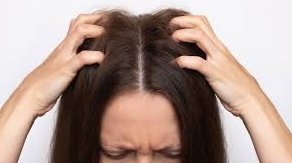
An itchy, flaky scalp can be a source of discomfort and embarrassment, but it is also quite common. Whether caused by fungal infections, dryness, or allergies, scalp irritation can lead to excessive itching, flaking, and even hair loss if left untreated. The good news is that you don’t need to rely on harsh chemical treatments to address these issues. In this article, we will explore natural treatments for fungal infections, itchy scalp, and dryness, providing you with effective solutions to restore your scalp health. At Beauty Hair Kingdom, we believe in the power of nature to address scalp issues and promote overall hair health.
Common Causes of an Itchy and Dry Scalp
An itchy, dry scalp can be caused by a variety of conditions. Identifying the root cause of your discomfort is crucial in determining the most effective treatment. Here are some of the most common causes:
- Fungal Infections (Malassezia Overgrowth)
Fungal infections, specifically Malassezia overgrowth, are a common cause of itching and flaking on the scalp. The yeast Malassezia feeds on the oils in the scalp, leading to scalp irritation and dandruff. - Seborrheic Dermatitis
Seborrheic dermatitis is a condition that causes redness, oily patches, and flaking on the scalp. It is often associated with fungal growth and results in itching and irritation. - Psoriasis
Psoriasis is an autoimmune condition that leads to rapid skin cell turnover. On the scalp, this can cause thick, scaly patches that are itchy and uncomfortable. - Dry Scalp
A dry scalp can result from various factors such as environmental changes, harsh shampoos, or over-washing. It leads to flaking and itching as the skin loses moisture. - Contact Dermatitis
Allergic reactions to certain hair care products, such as shampoos, conditioners, or hair dyes, can cause itching, dryness, and irritation on the scalp.
Natural Remedies for Itchy Scalp and Fungal Infections
At Beauty Hair Kingdom, we recommend using natural remedies to soothe an itchy scalp and address fungal infections. Here are some effective treatments that you can try:
- Tea Tree Oil and Coconut Oil Blend
Tea tree oil is a powerful antifungal oil, and when combined with coconut oil, which provides deep hydration, it works effectively to treat fungal infections and soothe the scalp.
- How to Use: Mix a few drops of tea tree oil with a tablespoon of coconut oil. Massage the mixture into your scalp and leave it for 30 minutes before washing it off with a gentle shampoo.
- Apple Cider Vinegar Rinse
Apple cider vinegar has natural antifungal and antibacterial properties. It also helps balance the pH of the scalp, making it less conducive to fungal overgrowth.
- How to Use: Mix equal parts of apple cider vinegar and water. Apply it to your scalp and leave it on for 15–20 minutes before rinsing it off with water. You can use this rinse once or twice a week.
- Aloe Vera Gel
Aloe vera is known for its soothing and anti-inflammatory properties. It can relieve itching and reduce inflammation caused by fungal infections or dryness.
- How to Use: Apply fresh aloe vera gel directly to your scalp and leave it on for 20–30 minutes. Wash it off with lukewarm water. Repeat this treatment 2–3 times a week.
- Neem Oil
Neem oil is renowned for its antifungal and antibacterial properties. It helps to treat scalp infections and calm irritation caused by fungal overgrowth.
- How to Use: Mix a few drops of neem oil with a carrier oil such as coconut oil. Massage the oil into your scalp and leave it on for 30 minutes before rinsing.
- Honey and Olive Oil Mask
Honey is a natural humectant that locks moisture into the scalp, while olive oil provides deep nourishment and relieves dryness. Together, they work to treat scalp irritation and restore hydration.
- How to Use: Mix honey with olive oil and apply the mixture to your scalp. Leave it on for 30 minutes before washing it off with a mild shampoo.
Conclusion
An itchy, dry scalp can be caused by various factors, including fungal infections and dehydration. Thankfully, there are several natural remedies available to address these issues effectively. By incorporating tea tree oil, apple cider vinegar, and aloe vera into your routine, you can restore balance to your scalp and reduce discomfort. At Beauty Hair Kingdom, we always advocate for using natural, gentle treatments to maintain scalp health. A consistent care regimen, along with the right diet, will help ensure a healthy, irritation-free scalp and strong, beautiful hair.