Introduction
Hair fall and thinning are among the most common hair‑care worries for women. Whether it’s due to seasonal changes, hormonal shifts, stress, nutrient deficiencies or simply damage from styling and environment, the experience can feel frustrating. The good news: many natural ingredients and home remedies — when used consistently and wisely — can help strengthen hair, improve scalp health, reduce breakage and support thicker‑looking locks. In this article for Beauty Hair Kingdom, we’ll explore seven proven natural remedies you can incorporate into your hair‑care routine, why they work, how to use them and what to expect.
1. Coconut Oil — The Classic Penetrator
Coconut oil has long been a staple in traditional hair‑care regimes globally. One of the reasons it shines in natural hair‑care: the medium‑chain fatty acids (especially lauric acid) allow the oil to penetrate the hair shaft more deeply, reducing protein loss and breakage.
Why it works:
- Penetrates the hair shaft, so the hair is less prone to breakage and damage.
- Anti‑microbial benefits help maintain scalp health (important because a healthy scalp leads to healthier hair).
- Helps retain moisture and protect the hair when used as a pre‑wash or post‑wash treatment.
How to use it: - Warm 1‑2 tablespoons of virgin coconut oil (for medium‑length hair) in your palms until it’s slightly liquefied.
- Gently massage into your scalp in circular motions (5‑10 minutes), then work through mid‑lengths and ends.
- Leave it on at least 30 minutes; for deeper treatment, overnight under a shower cap is ideal. Then shampoo with a gentle, sulphate‑free cleanser.
- Use once a week if you have reasonably healthy hair; up to twice weekly for damaged/thinner hair.
What to expect:
With consistent use (4‑8 weeks), you’ll likely see less hair breakage, softer texture, and possibly fewer hairs in your brush or shower drain. It’s not an overnight fix for major hair‑loss causes (like serious medical conditions), but a powerful foundational remedy.
2. Aloe Vera Gel — The Soothing, Scalp‑Friendly Healer
Aloe vera isn’t just for sunburns — its benefits for hair and scalp are considerable. The gel contains proteolytic enzymes that help remove dead skin from the scalp, un‑clog follicles and restore pH balance.
Why it works:
- Soothes inflammation and irritation on the scalp (which is often a hidden cause of hair shedding).
- Conditions hair, improving texture and shine by helping the hair cuticle lie flat.
- Helps remove product/pollution build‑up from the scalp, creating a cleaner environment for follicles.
How to use it: - Extract fresh aloe gel from a leaf (or use a high‑quality pure gel).
- Apply directly to scalp and hair strands (from roots to tips).
- Leave for 30‑45 minutes, then rinse, shampoo lightly if needed.
- Can also be mixed with a few drops of essential oil (like lavender or rosemary) for added benefits.
What to expect:
If your hair is feeling dry, brittle or your scalp is itchy/dandruff‑prone, you’ll likely feel smoother, calmer scalp and softer hair in 2‑3 uses. Over longer term, it reduces shedding related to inflamed or clogged scalp.
3. Onion Juice – The Sulfur‑Rich Stimulator
This one sounds bold, but it’s backed by multiple sources: onion juice contains sulfur, which supports collagen production (important for hair structure) and improves blood circulation to the scalp.
Why it works:
- Sulfur helps the hair shaft and strengthens roots.
- Better circulation ensures more nutrient‑rich blood reaches hair follicles.
- May help with scalp infections/inflammation indirectly due to antimicrobial properties of onions.
How to use it: - Blend a medium onion, extract its juice (you can strain or use a fine mesh).
- Apply the juice on the scalp (you may mix with a carrier like coconut or olive oil to reduce the strong smell).
- Leave for approx. 15‑30 minutes, then shampoo gently.
- Repeat 1‑2 times a week.
Cautions: - Patch‑test first: onions may sting sensitive scalps.
- The smell can linger; you might want to mask it with a scented conditioner or essential oil rinse.
What to expect:
Over a few weeks of regular use you may notice reduced shedding and stronger hair, though results vary. Because this is a more “active” treatment, combine it with gentler care (like weekly coconut oil or aloe) for best results.
4. Fenugreek Seeds (Methi) – The Protein‑Packed Indian Remedy
Fenugreek seeds (methi) are widely cited in home‑remedy lists because they contain nicotinic acid, proteins and compounds that help strengthen hair and reduce thinning.
Why it works:
- Protein and nicotinic acid support hair‑root strength and follicle health.
- Helps with dandruff and scalp irritation, which again links to healthier hair growth environment.
How to use it: - Soak 2 tablespoons of fenugreek seeds overnight in water.
- In the morning, grind to a smooth paste and apply to scalp and hair length.
- Leave 30 minutes, then rinse thoroughly and shampoo.
- Use 1‑2 times per week.
What to expect:
After consistent use, hair should feel stronger, less limp, and your scalp may be more comfortable and less itchy. It’s a great precursor treatment before shampooing for hair that’s suffering from thinning or catching.
5. Green Tea Rinse – The Antioxidant Support
Rinsing with Green tea (or using it as an after‑shampoo final rinse) is a simple but effective natural remedy. Green tea contains epigallocatechin‑3‑gallate (EGCG) and other antioxidants, which may help reduce DHT (a hormone linked to hair‑loss) and stimulate follicles.
Why it works:
- Provides antioxidants to the scalp/follicles, which helps combat oxidative stress (a factor in hair ageing and shedding).
- May help regulate DHT levels in the scalp environment, thereby reducing thinning in susceptible women.
How to use it: - Brew 2 green tea bags in 1 cup hot water, let cool.
- After shampooing and rinsing, pour the green‑tea infusion over your hair and scalp, gently massage, leave 5‑10 minutes then rinse or leave in (depending on your comfort).
- Use 2‑3 times per week.
What to expect:
Hair may feel lighter, scalp refreshed and gradually you may notice somewhat reduced hair fall and better resilience. Since this is a milder remedy, it works well in combination with deeper treatments (like coconut oil or aloe) for overall better effect.
6. Castor Oil – The Thickening Agent
Castor oil is often featured in hair‑care routines owing to its high ricinoleic acid content and anecdotal support for scalp health and hair vitality. While clinical evidence is limited, the moisturizing and circulation‑boosting properties make it a valuable natural support.
Why it works:
- Thick in viscosity, castor oil can coat the hair shaft, protect against breakage and add thickness.
- Ricinoleic acid may stimulate scalp circulation, thus improving nutrient delivery to hair roots.
How to use it: - Use sparingly (because it is heavy). Mix 1 tsp castor oil with 1 Tbsp of a lighter oil (like coconut or jojoba) to dilute.
- Massage into scalp and mid‑lengths. Leave for 30 minutes – 1 hour (or overnight for intensive treatment).
- Shampoo with gentle cleanser.
- Use once each week (for thin/weak hair) or every other week.
What to expect:
If your hair is fine or limp, you should see fuller‑looking strands, less hair “fluffing out” when drying, and less breakage. For best results, use over 6‑8 weeks and pair with scalp‑care habits (gentle cleansing, minimal heat‑damage).
7. Amla (Indian Gooseberry) – The Antioxidant & Pigment Protector
Amla (Indian gooseberry) delivers vitamin C and antioxidants that strengthen hair roots, enhance shine, and protect from premature greying.
Why it works:
- Rich antioxidant content neutralizes free radicals around hair follicles (free radicals can damage hair structure).
- Helps maintain scalp circulation and hair pigment (good for women noticing early greying or dull hair).
How to use it: - Use amla oil: apply to scalp and hair length, leave 30 minutes or overnight, then wash.
- Or make a paste: amla powder + coconut oil (or water) applied as a hair mask, leave 20‑30 minutes, rinse.
- Use every 1‑2 weeks.
What to expect:
With regular use, you’ll likely notice improved shine, stronger hair, and less brittleness. While it’s not a replacement for medical‑grade treatment for serious pigment/greying issues, it contributes to hair resilience and vibrancy.
Putting It All Together – The Routine
Here’s how you might integrate these remedies into a one‑month plan:
- Weekly:
- One deep treatment (e.g., Coconut oil or Castor oil)
- One scalp‑soothing treatment (Aloe vera)
- 2‑3 times per week:
- Green tea rinse (after shampoo)
- Once per week or every other week:
- Fenugreek seed mask or Amla hair mask
- Ongoing 1‑2 × per week:
- Onion juice scalp treatment for shedding/thinning days
Additional habits to use alongside these remedies:
- Use a gentle, sulphate‑free shampoo and avoid harsh chemical treatments.
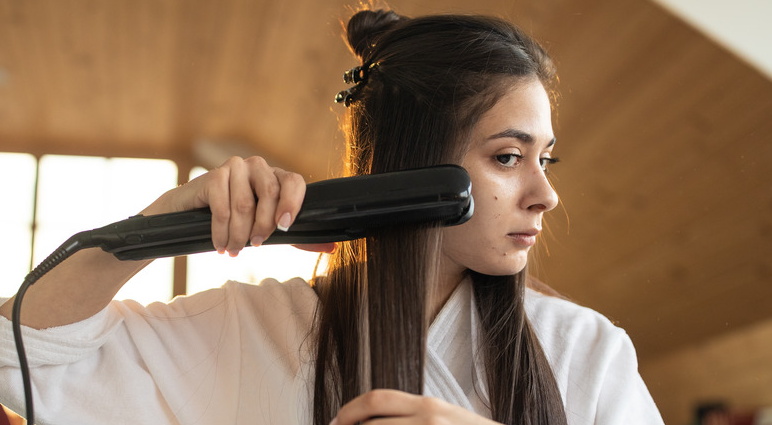
- Avoid excessive heat‑styling; always use a heat protectant if you do.
- Sleep on a silk or satin pillowcase (reduces friction and breakage).
- Ensure your diet supports hair health — sufficient protein, iron, zinc, vitamin D, and omega‑3 fatty acids.
- Manage stress and get adequate sleep — hair‑growth cycles are influenced by hormonal and metabolic health.
Final Thoughts
Natural remedies aren’t “instant magic”, but they are an excellent, low‑risk foundation for stronger, healthier hair — especially for women who want to reduce hair fall, improve texture and build resilience. The key: consistency, patience (hair‑growth is slow) and pairing topical care with scalp health, gentle styling and nutritional support. If you’re experiencing very heavy shedding, patchy hair loss, or suspect an underlying medical condition (like hormonal imbalance, thyroid issue, or alopecia), always consult a dermatologist in addition to using these natural approaches.
For the readers of Beauty Hair Kingdom, invite them to choose 2‑3 remedies that feel manageable, commit for one full month, track progress (photos, hair‑fall count, texture change) and then adjust. Encourage them to comment with their results and share their favourites.