Hair loss is a concern affecting millions of people worldwide. Whether caused by genetics, stress, hormonal changes, nutritional deficiencies, or scalp issues, hair loss can impact self-esteem and overall well‑being. At Beauty Hair Kingdom, we believe in addressing hair loss with evidence‑based, natural solutions. Below are the top seven natural remedies that have been shown to help reduce hair loss and promote healthier, stronger hair.
Table of Contents
- Understanding Hair Loss
- Remedy 1: Scalp Massage with Essential Oils
- Remedy 2: Aloe Vera Treatment
- Remedy 3: Coconut Oil and Natural Oils Blend
- Remedy 4: Balanced Nutrition and Vitamins
- Remedy 5: Herbal Remedies (Saw Palmetto, Rosemary, etc.)
- Remedy 6: Stress Management and Sleep Quality
- Remedy 7: Gentle Hair Care Routine
- How to Use These Remedies Effectively
- When to Consult a Professional
- Conclusion
1. Understanding Hair Loss
Hair loss (alopecia) can present in various forms: gradual thinning, patchy bald spots, or complete baldness in certain zones. Common causes include:
- Androgenetic alopecia (male/female pattern baldness)
- Telogen effluvium, triggered by stress or drastic hormonal changes
- Nutritional deficiencies, especially iron, vitamin D, B‑vitamins, and zinc
- Scalp conditions like psoriasis, seborrheic dermatitis, dandruff
- Physical damage from harsh chemicals, heat, or rough handling
Understanding the underlying cause is essential before selecting a treatment plan. Natural remedies can aid prevention and slow progression but may have limitations depending on the cause.
2. Remedy 1: Scalp Massage with Essential Oils
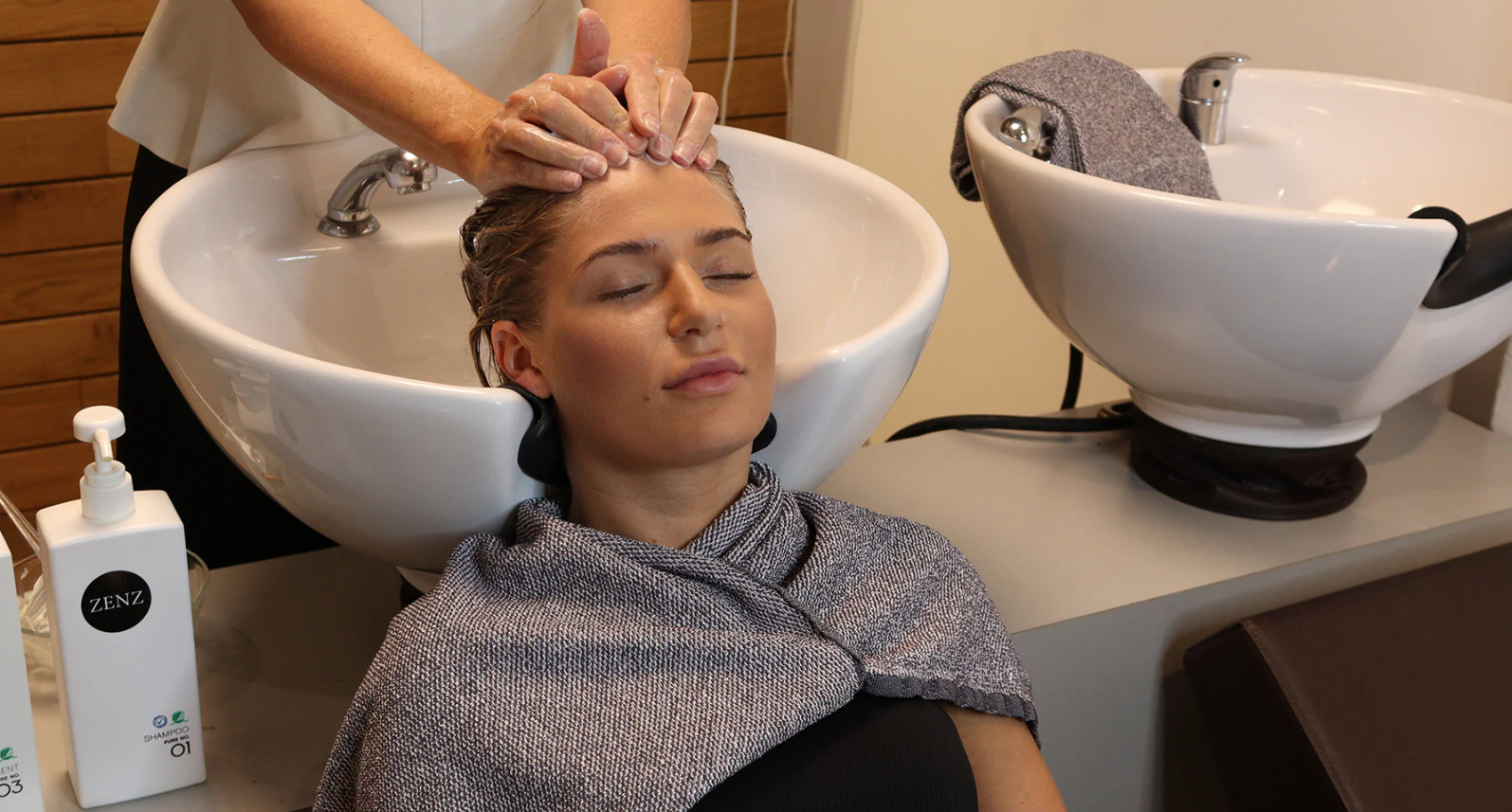
Scalp massage improves blood circulation to hair follicles, which can promote hair growth and reduce shedding.
- How to do it: Use your fingertips to massage the scalp in circular motions for 5‑10 minutes daily.
- Best oils to use: Rosemary oil, peppermint oil, lavender oil. These essential oils are often diluted in a carrier oil like jojoba or almond oil (about 2‑3 drops essential per tablespoon of carrier oil).
- Evidence: Studies have shown rosemary oil to be comparable to minoxidil (a common hair regrowth treatment) over several months in certain cases.
- Precautions: Essential oils can irritate sensitive skin; always do a patch test first.
3. Remedy 2: Aloe Vera Treatment
Aloe vera is known for its soothing, anti‑inflammatory, and moisturizing properties, all of which can benefit the scalp and reduce hair loss.
- Apply pure aloe vera gel directly to the scalp and hair. Leave for 30–60 minutes, then wash with a mild shampoo.
- Use 2‑3 times per week.
- Aloe vera helps reduce dandruff and unblock hair follicles that may be blocked by excess sebum or dead skin.
4. Remedy 3: Coconut Oil and Natural Oils Blend
Natural oils help nourish the shaft and scalp, reduce protein loss, and protect against damage.
- Usage ideas: Pre‑shampoo treatment, leave‑in masks, or overnight treatments.
- Common oils: coconut oil, argan oil, olive oil, castor oil.
- Coconut oil has lauric acid which can penetrate the hair shaft and reduce protein loss.
5. Remedy 4: Balanced Nutrition and Vitamins
Hair health is deeply connected to what you eat. Nutritional deficiencies often manifest first in the hair.
- Ensure adequate protein intake (hair is ~90% protein by weight).
- Vitamins/minerals to focus on:
- Iron: Anemia or low iron can lead to hair thinning.
- Vitamin D: Low levels associate with hair shedding.
- B‑complex vitamins (especially Biotin): Supports follicle health.
- Zinc: Important for scalp health and repairing tissue.
- Consider whole foods: lean meats, fish, eggs, leafy greens, legumes, nuts, seeds.
6. Remedy 5: Herbal Remedies (Saw Palmetto, Rosemary, etc.)
Herbal extracts have long been used for hair loss, with varying levels of clinical support.
- Saw Palmetto: Believed to reduce levels of DHT (dihydrotestosterone), a hormone linked to hair loss.
- Rosemary Extract or Tea: May stimulate hair growth and improve circulation.
- Green Tea (EGCG): Supports follicle health and may reduce oxidative stress.
Use these herbs in topical form (e.g. infused oils, rinses) or, where safe and appropriate, orally (after consulting with a healthcare provider).
7. Remedy 6: Stress Management and Sleep Quality
Stress and poor sleep are often underestimated contributors to hair loss.
- Stress reduction techniques: Meditation, yoga, deep breathing exercises, mindfulness.
- Sleep hygiene: Aim for 7‑9 hours of quality sleep per night; establish a consistent bedtime routine; reduce screens before sleep.
8. Remedy 7: Gentle Hair Care Routine
Harsh treatments and rough handling can worsen hair loss.
- Use mild, sulfate‑free shampoos.
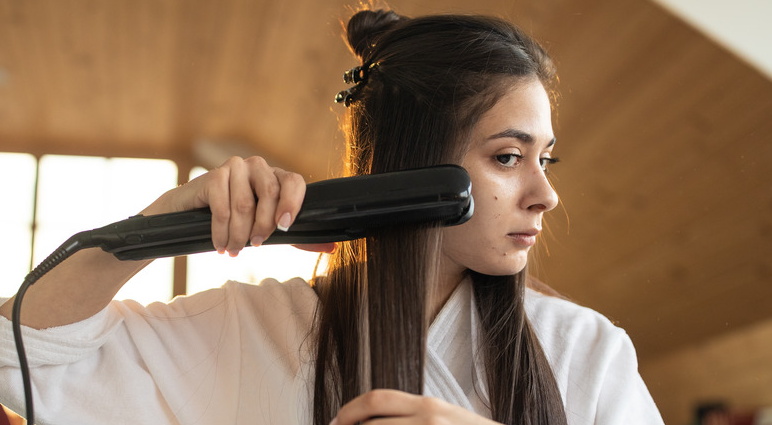
- Avoid frequent heat styling (straighteners, curling irons) and high heat drying.
- Let hair air dry when possible.
- Use wide‑tooth combs for detangling; avoid brushing wet hair roughly.
- Limit chemical treatments (bleaching, perming) that damage the hair shaft.
9. How to Use These Remedies Effectively
To maximize benefits:
- Combine several remedies rather than relying on one. For example: nutritional improvements + scalp massage + herbal rinse.
- Be consistent: natural remedies often require weeks to months before visible improvement.
- Record progress: take photos every few weeks, note shedding rate, strength of hair.
- Adjust routines based on reactions: if scalp irritation occurs, reduce frequency or switch ingredients.
10. When to Consult a Professional
Natural remedies are helpful, but there are situations in which seeing a specialist (dermatologist or trichologist) is important:
- Sudden or patchy hair loss
- Signs of infection (itching, pain, swelling)
- Underlying medical conditions (thyroid issues, hormonal disorders)
- If hair loss continues despite regular use of natural remedies for 6‑12 months
11. Conclusion
Hair loss is a multifactorial issue, but with diligence, patience, and the right approach, you can significantly reduce shedding, regain strength, and improve the overall appearance of your hair. The natural remedies presented here are grounded in both traditional use and emerging scientific research. At Beauty Hair Kingdom, we promote a holistic, sustainable approach that respects both your health and the natural integrity of your hair.
“Your hair is the crown you never take off — treat it with care, nourish it with nature.”