Welcome to another deep dive from Beauty Hair Kingdom, where we unravel the truth behind popular beliefs about hair growth, damage, styling and maintenance for women. In this article, we’ll tackle several widespread myths — from haircuts affecting growth to styling tools causing permanent damage — and provide you with actionable facts and tips to help you care wisely for your hair.
1. Myth: Regular trims make your hair grow faster
It’s a persistent belief: if you trim hair every few weeks, your hair will grow quicker and thicker.
Fact: Hair growth is controlled at the follicles at the scalp, not at the ends of the hair. Cutting the ends does not influence the rate of new growth; what trimming does is remove split ends and reduce breakage, so hair retains its length better. iHot Cosmetics+1
At Beauty Hair Kingdom our view is that trims are valuable for hair health and appearance (they help maintain ends, reduce frizz, keep shape) but not as a growth accelerator.
Practical tip: Rather than frequent trims with the expectation of faster growth, schedule trims every 8-12 weeks (or according to your hair condition) to maintain healthy ends, and focus your growth efforts on scalp health, nutrition, and protective styling.
2. Myth: Styling tools and chemical treatments are the main cause of hair loss in women
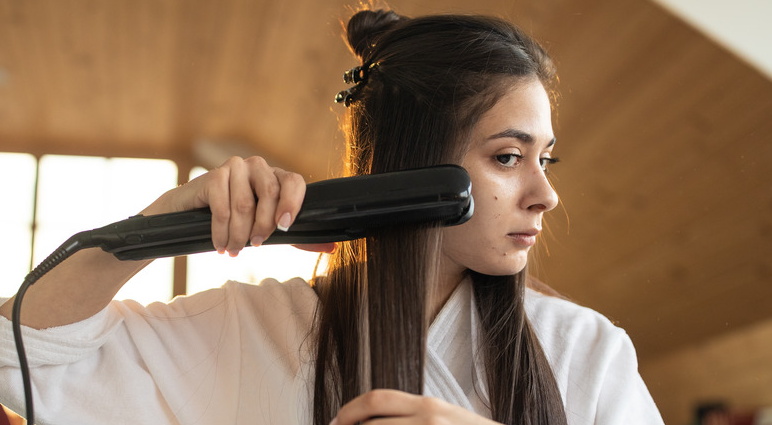
Many women believe that styling tools (flat irons, curling wands) or colour treatments directly cause hair loss.
Fact: While frequent use of high-heat styling tools or chemical treatments can damage hair shafts (leading to breakage) they do not necessarily cause hair loss at the follicle level. Hair loss in women is often driven by hormonal imbalance, genetics, stress, nutritional deficiencies, scalp conditions and more. Daniel Benhuri M.D.+1
At Beauty Hair Kingdom we emphasise: styling damage ≠ follicle loss. If you notice thinning or hair loss, it’s wise to consult a professional (dermatologist/trichologist), but for styling damage focus on repair & protection.
Practical tip: When styling, always use a heat protectant, moderate the temperature, limit daily heat exposure, and include deep conditioning treatments in your routine.
3. Myth: Wearing tight hats or ponytails causes baldness
This one might sound surprising. Some believe hats restrict circulation and cause hair follicles to die, or tight hairstyles pull hair and result in bald spots.
Fact: Normal hats do not cause hair loss; however, chronic tight hairstyles (braids, tight ponytails, extensions) can cause traction alopecia — a form of hair loss due to constant pulling on the hair follicles. Daniel Benhuri M.D.+1
At Beauty Hair Kingdom we advise women to alternate hairstyles, avoid constant high tension at the hairline, and give the scalp periodic breaks from tight styling.
Practical tip: If you favour ponytails or buns, use soft hair ties, alternate position (not always the same place), and avoid excessive daily tension. Let hair down regularly to relieve stress on follicles.
4. Myth: “If I don’t see visible growth, my hair is not growing”
Often women measure hair-health success merely by length increase — if it doesn’t appear to grow, they worry something’s wrong.
Fact: Hair growth rate is relatively stable (about 1 cm/month for many people) and the appearance of growth can be affected by breakage, shedding, styling, trimming and retention. If hair breaks as fast as it grows, visible length won’t show. Marie Claire UK
At Beauty Hair Kingdom we believe the goal is not necessarily fastest growth but better retention — hair grows, stays intact, and shows length, shine and vitality.
Practical tip: Track hair health by measuring length increments, monitoring split ends, breakage, density at scalp, not just “why isn’t hair longer this month?”. Incorporate regular conditioning, gentle styling, and protective steps to improve retention.
5. Myth: Natural or DIY remedies are always safer and better for hair
With the rise of “clean beauty”, many women believe that “natural oils”, “DIY masks” and “chemical-free” always mean safe and effective for hair.
Fact: While some natural oils and treatments can benefit hair (e.g., coconut oil, argan oil), not all DIY or “natural” remedies are effective or safe for every hair type. Some may cause scalp irritation, buildup, or be poorly formulated. Additionally, “chemical” does not always mean harmful. Ecom Pakistan
At Beauty Hair Kingdom we encourage evidence-based selection: understand your hair’s porosity, type, concerns (frizz, color damage, dryness), and choose treatments (DIY or commercial) that match.
Practical tip: If trying a new natural product, patch-test for scalp reaction, observe how your hair responds (weight, feel, shine). Do not assume “all natural” = best for your hair type.
6. Myth: Once hair is damaged it cannot be repaired
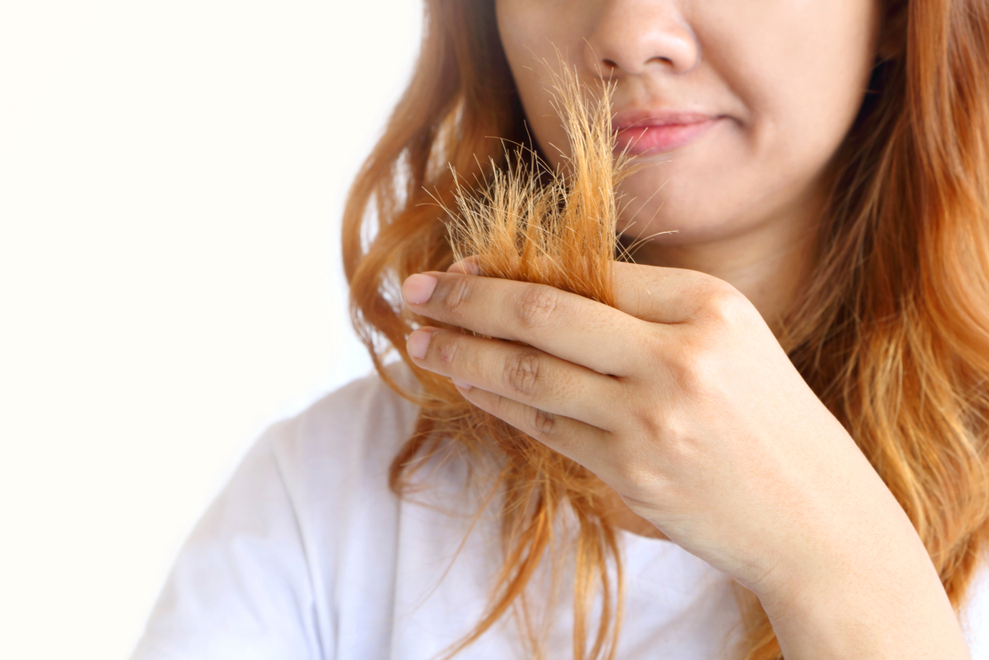
Many women despair when they see their hair frizzy, split, or heat-damaged and believe full repair is impossible.
Fact: While some damage (like split ends) requires trimming, many aspects of hair damage (cuticle roughness, dryness, colour fade) can be improved via quality treatments, deep conditioning, regular maintenance, protective styling and healthy hair habits. Keyoma
At Beauty Hair Kingdom we empower women: you may not fully restore virgin-condition hair, but you can significantly improve hair health, manageability, shine and durability with consistent care.
Practical tip: Incorporate weekly deep-conditioning masks or treatments designed for your hair concern (e.g., heat-damage, colour-treated), reduce heat styling, avoid over-processing, and protect hair from sun/UV and environmental damage.
7. Why this matters for you
When you adopt a routine grounded in facts rather than myths, you invest your time and money wisely. At Beauty Hair Kingdom our aim is to equip women with knowledge — so that you’re not misled by marketing, viral trends, or old-fashioned beliefs. By doing so, you gain healthy, resilient hair that grows well, retains length, and responds beautifully to styling.
SEO keywords that align with this topic: “hair growth myths women”, “tight ponytail hair loss women”, “natural hair oil myth”, “how to repair damaged hair women”, “styling tools hair damage myth”. Using these keywords naturally in your blog posts on Beauty Hair Kingdom helps attract women searching for hair-care truths and solutions.
Conclusion
Don’t let myths hold back your hair journey. On Beauty Hair Kingdom we celebrate smart hair care: regular trims for health (not growth per se), protective styling, evidence-based natural remedies, and a focus on retention and shine rather than chasing speed. Whether you’re dealing with heat-damage, styling concerns, or just want stronger hair, you’ll get results when you base your plan on facts, not folklore. Visit Beauty Hair Kingdom for more guides, myth-busters, and expert-backed tips tailored specifically for women’s hair care.