Introduction:
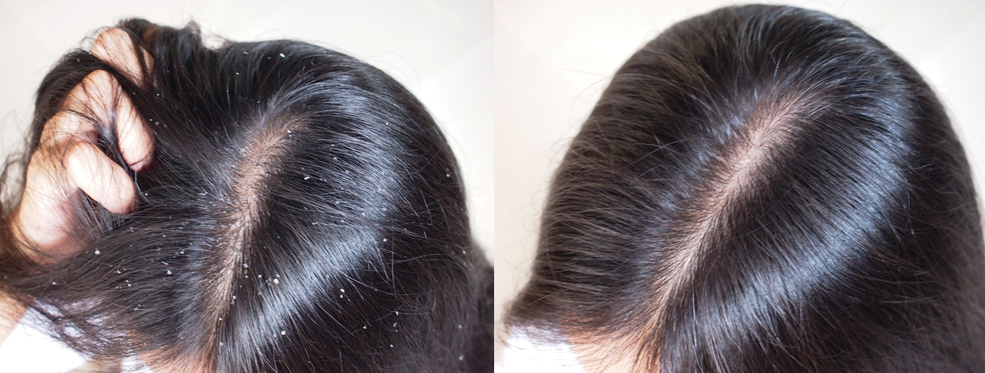
Dandruff is one of the most common scalp conditions that affect millions of people worldwide. It is characterized by the shedding of dead skin cells from the scalp, resulting in visible flakes in your hair or on your clothes. Dandruff can lead to discomfort, embarrassment, and itching, making it a challenging condition to manage. While there are various over-the-counter treatments available, many people prefer natural remedies to avoid harsh chemicals. In this article, we will explore the causes of dandruff and discuss several natural ways to treat it effectively, all while keeping your scalp healthy and nourished. At Beauty Hair Kingdom, we believe in the power of natural solutions for hair and scalp health.
What Causes Dandruff?
Dandruff can arise from several different factors. Identifying the root cause of dandruff is the first step in treating it effectively. Some of the most common causes of dandruff include:
- Seborrheic Dermatitis
This condition occurs when the scalp becomes oily, leading to the overgrowth of Malassezia, a yeast-like fungus. This can cause irritation, redness, and flaking of the scalp, often associated with dandruff. - Dry Skin
A dry scalp can also lead to dandruff. During colder months, when the air is drier, the scalp loses moisture, causing the skin to flake off. - Fungal Infection (Malassezia Overgrowth)
Malassezia is naturally found on the scalp, but an overgrowth can lead to dandruff. It thrives in oily environments and can cause itching and scaling on the scalp. - Contact Dermatitis
Some people develop dandruff as a result of an allergic reaction to hair care products, such as shampoos, conditioners, or hair dyes. - Improper Diet
A poor diet lacking essential nutrients, such as zinc, B vitamins, and healthy fats, can weaken the scalp and make it more prone to dandruff.
Natural Remedies for Dandruff
Rather than relying on chemical-laden products, many people turn to natural remedies to treat dandruff. At Beauty Hair Kingdom, we focus on holistic approaches that are gentle and effective. Here are some of the best natural remedies for dandruff:
- Tea Tree Oil
Tea tree oil is one of the most powerful natural antifungal agents, perfect for combating the yeast that causes dandruff. Its antifungal and antibacterial properties help to balance the scalp and reduce flakiness.
- How to Use: Mix a few drops of tea tree oil with a carrier oil such as coconut oil or olive oil. Massage the mixture gently into your scalp and leave it for 20–30 minutes before washing it off. This treatment can be repeated twice a week for best results.
- Apple Cider Vinegar (ACV)
Apple cider vinegar is an excellent remedy for dandruff. It helps to balance the pH of your scalp and removes product buildup that can contribute to dandruff. The acetic acid in apple cider vinegar helps to kill bacteria and fungi.
- How to Use: Mix equal parts of apple cider vinegar and water in a spray bottle. Spray the solution onto your scalp and leave it on for 15–20 minutes before rinsing with water. You can also use it as a final rinse after washing your hair with shampoo.
- Aloe Vera
Aloe vera is a natural soothing agent known for its ability to calm irritated skin. It hydrates and nourishes the scalp, which can reduce itching and flaking.
- How to Use: Apply fresh aloe vera gel directly onto your scalp and leave it on for about 30 minutes before washing it off. Aloe vera also promotes hair growth, making it a great addition to your scalp care routine.
- Coconut Oil
Coconut oil is not only a natural moisturizer but also contains antifungal properties that can combat dandruff caused by Malassezia overgrowth. It helps to moisturize dry scalp areas and reduce flakes.
- How to Use: Warm a small amount of coconut oil and massage it gently into your scalp. Leave it on for at least 30 minutes, or overnight for a more intensive treatment. Rinse and wash your hair with a mild shampoo.
- Lemon Juice
Lemon juice is rich in vitamin C and natural acids that can help balance the pH of your scalp, making it less prone to fungal infections. It also has antimicrobial properties that can reduce the growth of dandruff-causing fungi.
- How to Use: Squeeze fresh lemon juice onto your scalp and massage it in for a few minutes. Leave it on for 5–10 minutes before rinsing with water. You can also mix lemon juice with yogurt for an added moisturizing effect.
Dietary Changes to Help Combat Dandruff
Your diet plays a crucial role in maintaining scalp health. At Beauty Hair Kingdom, we recommend a balanced diet full of nutrients that support scalp health and prevent dandruff. Here are some foods that can help:
- Zinc
Zinc is vital for skin health, and its deficiency can contribute to dandruff. Foods rich in zinc, such as pumpkin seeds, lentils, chickpeas, and cashews, can help prevent dandruff. - B Vitamins
B vitamins, especially B6 and B12, are crucial for maintaining healthy skin. Include foods like eggs, leafy greens, and bananas in your diet to nourish your scalp. - Healthy Fats
Omega-3 fatty acids found in foods like salmon, walnuts, and chia seeds can help keep the scalp hydrated and healthy, reducing the likelihood of dandruff.
Conclusion
Dandruff can be an annoying and persistent issue, but with the right natural remedies and lifestyle changes, it can be managed effectively. Incorporating tea tree oil, apple cider vinegar, and coconut oil into your hair care routine can help restore balance to your scalp and reduce flakes. At Beauty Hair Kingdom, we believe that natural solutions are the key to achieving a healthy, dandruff-free scalp. Remember, consistency is essential for the best results, and taking good care of your scalp will ensure the health of your hair in the long term.